
Summarize with
Quick Answer:
The right heat pump size depends on your home’s heating and cooling requirements. Contractors determine this through a Manual J load calculation rather than relying on square footage alone. Most residential heat pumps range from 1.5 to 5 tons. However, the correct capacity depends on insulation quality, ceiling height, windows, air leakage, ductwork, and local winter temperatures.
A properly selected system should maintain indoor comfort without excessive cycling or unnecessary backup heating.
Introduction
Choosing a heat pump is not simply about buying the largest unit available. The equipment must match the heating and cooling demands of your property. An incorrectly sized system can create uneven temperatures and increase electricity consumption. This decision matters in Cape Cod, where homes experience cold winters and humid summers. Older properties may also have limited insulation and drafty windows. These conditions affect how much heating and cooling capacity a home needs.
Understanding what size heat pump I need starts with knowing how contractors evaluate a property. They examine the building envelope and calculate the heating load before recommending equipment. This process helps homeowners avoid unnecessary costs and comfort problems.
Key Takeaways
- A Manual J load calculation provides a reliable starting point for selecting heat pump capacity.
- One ton of capacity equals 12,000 BTU per hour.
- Square footage alone cannot determine the correct system size.
- Insulation and air leakage can change the required heating capacity.
- Oversized heat pump problems include short cycling and poor humidity control.
- Cold-climate performance matters when selecting equipment for Cape Cod winters.
- Proper equipment selection and installation are both essential for long-term performance.
What Heat Pump Size Means in BTUs and Tons
Heat pump size describes how much heating or cooling capacity the equipment can deliver. Contractors usually express this capacity in BTUs per hour or tons. One ton equals 12,000 BTUs per hour. A 2-ton heat pump provides approximately 24,000 BTUs per hour under its rated test conditions. However, its actual heating output changes with outdoor temperatures. Professional heat pump installation also involves selecting equipment that can maintain suitable performance under local climate conditions.
| Heat Pump Size | Nominal Capacity |
| 1.5 tons | 18,000 BTU/hr |
| 2 tons | 24,000 BTU/hr |
| 2.5 tons | 30,000 BTU/hr |
| 3 tons | 36,000 BTU/hr |
| 3.5 tons | 42,000 BTU/hr |
| 4 tons | 48,000 BTU/hr |
| 5 tons | 60,000 BTU/hr |
These figures explain equipment ratings rather than recommend a size for a particular home. A contractor must compare the required load with the manufacturer’s performance data at relevant outdoor temperatures. For example, a system rated at 36,000 BTU per hour at a standard test condition may deliver a different amount of heat during a freezing winter night.
This distinction is important because nominal capacity does not always represent actual cold-weather performance.
How Contractors Determine What Size Heat Pump Do I Need
Contractors calculate the heating and cooling loads before selecting a system. This process considers the home’s construction and the local climate.
- The main method is a Manual J load calculation developed by the Air Conditioning Contractors of America. It estimates how much heat a property loses during winter and gains during summer.
- The U.S. Department of Energy also explains why accurate load calculations are important for proper HVAC equipment selection.
1. Measure the Home’s Conditioned Area
The contractor measures the rooms and identifies which areas require heating and cooling. They also consider ceiling height and the number of floors. A 2,000-square-foot single-story home may have different requirements from a two-story property with the same floor area. Room arrangement and exposed exterior surfaces affect heat loss.
2. Inspect Insulation and Air Leakage
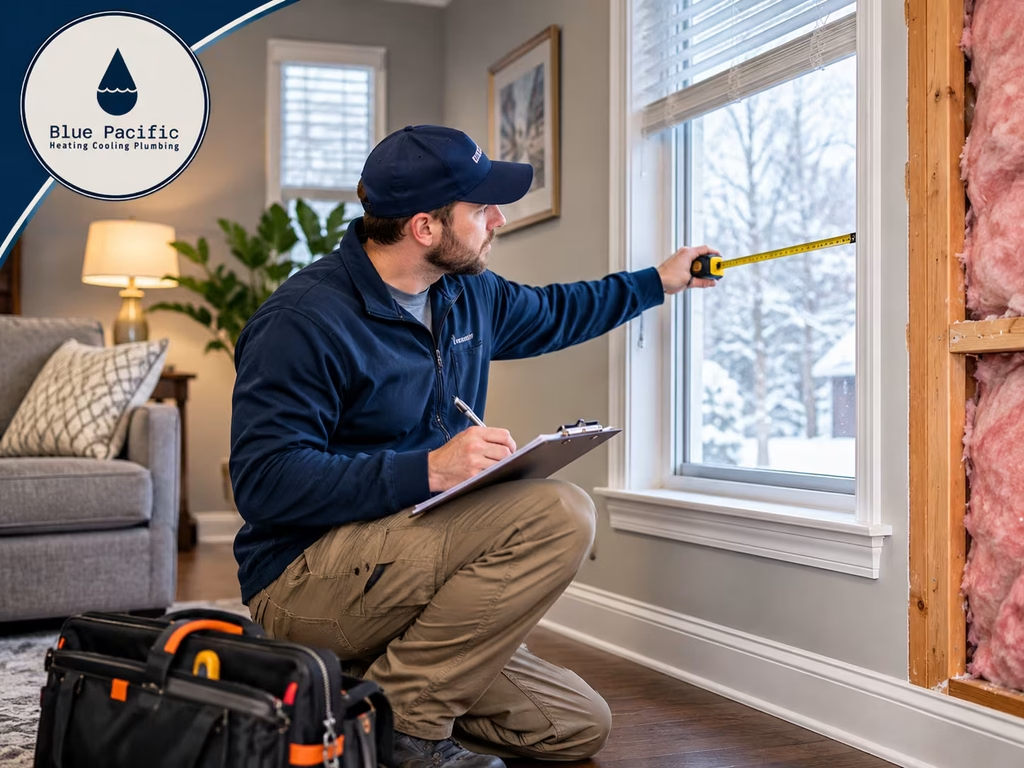
Insulation slows heat transfer through walls and ceilings. Poor insulation allows indoor heat to escape during winter. Contractors also inspect doors and windows for drafts. Gaps around plumbing openings and exterior walls can allow cold air to enter. A blower-door test may help identify air leakage when a detailed assessment is needed.
3. Evaluate Windows and Sun Exposure
Window size and condition affect both heating and cooling loads. Older single-pane windows can lose more heat than modern insulated windows. South-facing windows may receive substantial sunlight during the day. Shading and window orientation also influence summer cooling requirements.
4. Examine Ductwork and Air Distribution
Ducted systems need properly sized and sealed ductwork. Leaks can allow heated or cooled air to escape before reaching living spaces. Contractors evaluate duct condition and airflow requirements. For ductless systems, they determine the number and placement of indoor units needed to serve different rooms.
Heat Pump BTU per Square Foot: Can You Use a Standard Rule?
Square footage can provide an initial reference but cannot replace a professional load calculation. A common rough estimate uses 20 to 30 BTUs per square foot. However, this shortcut can produce misleading results because homes have different insulation levels and exposure to outdoor temperatures.
| Home Size | Rough Estimate at 20–30 BTU/sq. ft. |
| 1,000 sq. ft. | 20,000–30,000 BTU/hr |
| 1,500 sq. ft. | 30,000–45,000 BTU/hr |
| 2,000 sq. ft. | 40,000–60,000 BTU/hr |
| 2,500 sq. ft. | 50,000–75,000 BTU/hr |
These figures are educational examples rather than equipment recommendations. Actual heating and cooling loads may fall outside these ranges.
Why Square Footage Is Not Enough
Two properties with identical floor areas can have very different heating needs. One may have new insulation and tight windows while the other has an older building envelope. Ceiling height also changes the amount of indoor air that needs conditioning. Open floor plans and multiple zones can affect how heat moves through the property.
What About a Heat Pump Size Calculator?
A size calculator can help homeowners understand approximate capacity requirements. However, online tools generally depend on simplified inputs. They may not account for every detail of the home’s construction or local design temperature. Use calculator results as an initial reference rather than a final purchasing decision.
How Cape Cod Weather Affects Heat Pump Sizing
Cape Cod homes need equipment that can handle winter heating demands and summer humidity. Local weather conditions should be included in the contractor’s load calculation. Coastal exposure can also make some properties more vulnerable to wind and air leakage. Older cottages and seasonal homes may have different insulation levels from newer year-round residences.
Cold Winter Temperatures and Heating Capacity
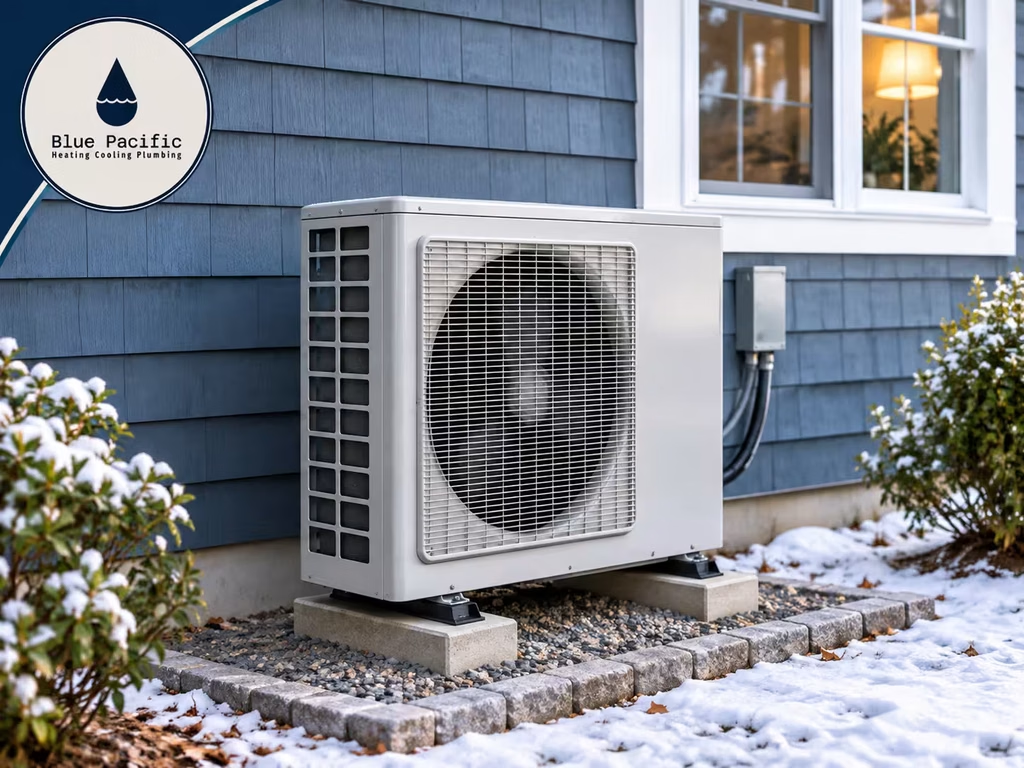
Heat pumps transfer heat from outdoor air into the home. Their heating capacity and efficiency can change as outdoor temperatures fall.
- A contractor should check the manufacturer’s performance tables at the local winter design temperature. The equipment must provide enough heat for the calculated load under those conditions.
- Cape Cod has regional climate differences that make local design conditions important.
Coastal Wind and Older Home Construction
Properties near the water may experience strong winds and greater exposure around exterior openings. Poorly sealed doors and windows can increase winter heat loss. Older Cape Cod homes may also have additions and enclosed porches that create different insulation conditions. Contractors should inspect the entire conditioned space instead of estimating capacity from the main living area.
Summer Humidity and Cooling Performance
Heat pumps also remove moisture while cooling your home. An oversized system may cool the indoor air quickly without running long enough to remove sufficient humidity. Correct sizing supports more consistent cooling and moisture management during humid summer weather.
Oversized Heat Pump Problems and Undersizing Risks
An oversized or undersized heat pump can affect comfort and operating costs. The goal is to match equipment capacity with the calculated heating and cooling loads.
What Happens When a Heat Pump Is Too Large?
Oversized heat pump problems often begin with short cycling. The system reaches the thermostat setting quickly and shuts down before completing a suitable operating cycle.
Common issues include:
- Frequent starting and stopping.
- Uneven indoor temperatures.
- Reduced summer humidity removal.
- Unnecessary equipment wear.
- Higher installation and operating costs.
Variable-speed equipment can adjust its output. However, it still needs an appropriate capacity range for the property.
What Happens When a Heat Pump Is Too Small?
An undersized system may struggle to maintain the desired temperature during extreme weather. It may operate for extended periods and rely more heavily on supplemental electric resistance heating. This can increase electricity consumption during cold periods. It can also leave certain rooms uncomfortable when the system cannot meet the home’s heating load.
Is It Better to Undersize or Oversize an AC?
Neither option is ideal. A properly calculated and selected system provides the best balance between capacity and comfort. Contractors should avoid adding unnecessary capacity as a safety margin. They should also check whether a variable-speed model can meet the load while operating efficiently at lower demand.
How Contractors Select the Right Heat Pump After Manual J
A load calculation determines the home’s requirements. Equipment selection confirms whether a particular model can meet those requirements. This second step is essential because two heat pumps with the same nominal tonnage may perform differently in cold weather.
Manual S Equipment Selection
After completing the load calculation, the contractor uses equipment performance data to select a suitable model. ACCA Manual S provides guidance for matching equipment to calculated loads.
The contractor reviews:
- Heating capacity at low outdoor temperatures.
- Cooling capacity during summer conditions.
- Minimum operating capacity.
- Airflow and duct compatibility.
- Supplemental heating requirements.
- Manufacturer installation specifications.
Single-Zone and Multi-Zone Systems
A single-zone system serves one main area or room. A multi-zone system uses multiple indoor units to control different parts of a home. The correct configuration depends on the floor plan and room-by-room loads. Adding more indoor units does not automatically improve performance.
Variable-Speed Heat Pump Options
Variable-speed compressors adjust output according to heating and cooling demand. This can reduce temperature fluctuations and help the system operate efficiently during milder weather. However, the equipment must still be selected according to its minimum and maximum capacity. A system that cannot reduce its output sufficiently may still cycle frequently.
Heat Pump Installation: What Happens Before the System Starts?
Correct sizing is only one part of a successful project. Professional heat pump installation ensures the selected equipment is connected and configured according to manufacturer requirements. The contractor should review the electrical supply and confirm that the indoor and outdoor equipment locations are suitable.
The installation process generally includes:
- Preparing the indoor and outdoor equipment locations.
- Installing refrigerant lines and electrical connections.
- Connecting and sealing ductwork where applicable.
- Completing condensate drainage arrangements.
- Testing refrigerant charge and airflow.
- Checking heating and cooling operation.
- Explaining thermostat settings and maintenance requirements.
The contractor should also verify that the equipment operates correctly before completing the project.
Ways to Reduce the Heat Pump Size Your Home Needs
Reducing heating loss can lower the capacity required to maintain indoor comfort. Home improvements should be considered before final equipment selection when practical.
Improve Attic and Wall Insulation
Attic insulation helps slow heat transfer through the roof. Wall and floor insulation can also reduce heat loss in older properties.
Seal Drafts Around Windows and Doors
Weatherstripping and caulking can reduce unwanted air movement. Contractors should inspect common leakage points before finalizing the load calculation.
Repair Existing Duct Leaks
Leaky ducts can waste conditioned air and reduce comfort. Sealing and insulating accessible ductwork can improve air delivery.
| Tip 1: Ask your contractor whether air sealing or insulation improvements could reduce the calculated heating load before equipment selection. |
| Tip 2: Compare multiple heat pump proposals and check whether each contractor used similar design conditions and load calculations. |
How to Choose a Heat Pump Contractor in Cape Cod
The quality of the contractor affects system selection and long-term performance. Look for someone who evaluates your property instead of recommending equipment based only on square footage. A qualified contractor should explain the load calculation and show how the selected equipment meets your home’s requirements.
Ask these questions before approving a proposal:
- Will you complete a Manual J load calculation?
- What winter design temperature will you use?
- Can you show the equipment’s heating capacity at low temperatures?
- Will you inspect the existing ductwork?
- What backup heating will the system require?
- Will you test the system after installation?
Frequently Asked Questions
What is the 20 rule for heat pumps?
The 20 rule is an informal sizing shortcut that uses approximately 20 BTUs per square foot. It does not account for all building conditions and should not replace a professional load calculation.
How to size a heat pump system?
Start with a room-by-room Manual J load calculation. Then use Manual S and manufacturer performance data to select equipment that meets the heating and cooling requirements at local design temperatures.
How many square feet does a 2.5-ton heat pump cover?
A 2.5-ton heat pump provides 30,000 BTU per hour of nominal capacity. A rough planning range might be 1,000 to 1,500 square feet. However, insulation and climate can change the actual coverage significantly.
What AC brands to stay away from?
Avoid choosing equipment based only on brand reputation or low purchase price. Check product reliability and warranty terms. Also verify local service availability and whether the contractor can properly install and maintain the selected model.
Is It better to undersize or oversize an AC?
Neither is recommended. An oversized system may short-cycle while an undersized system may struggle during extreme temperatures. Proper load calculations help prevent both problems.
Why is my electric bill so high with a heat pump?
High electricity bills can result from cold outdoor temperatures and increased backup heating use. Poor insulation and air leaks can also increase demand. Incorrect sizing and thermostat settings may contribute to the problem.
Is it okay for a heat pump to run all night in winter?
Yes. Heat pumps are designed to operate for extended periods during cold weather. Continuous operation is not automatically a problem. However, unusual noises or an inability to maintain indoor temperatures should be checked by a qualified technician.
Conclusion
The correct heat pump capacity depends on more than the size of your home. Insulation and windows play important roles in heating demand. Local winter temperatures and equipment performance also influence the final selection. A professional load calculation helps prevent unnecessary oversizing and reduces the risk of insufficient heating. Before choosing a system consider its low-temperature capacity and installation requirements.
Blue Pacific Cape Cod provides homeowners with professional HVAC assistance for their heating and cooling needs. Contact the company to discuss your property and determine the right approach to your next heat pump installation.
Professional HVAC Assistance for Your Cape Cod Home
Choosing equipment without a proper load calculation can lead to unnecessary expenses and comfort issues. Blue Pacific Cape Cod can help you understand the factors involved in selecting a suitable heating and cooling system.
Call (508) 274-9939 or email BluePacificCapeCod@gmail.com to discuss your project and arrange professional assistance.
Sources
1. U.S. Department of Energy – Proper Sizing of HVAC Systems
Explains Manual J calculations and the importance of avoiding oversized HVAC equipment.
2. Massachusetts Government – Weatherization Assistance Program
Covers insulation and air-sealing improvements that can reduce household heating requirements.
3. Massachusetts Government – 2026 Weatherization Assistance State Plan
Provides information about Massachusetts climate conditions and regional weatherization considerations.