

Summarize with
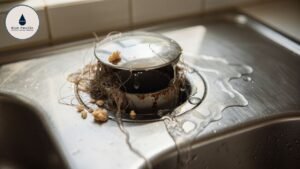
Your sink backs up again. You just had it cleared last month. Drain cleaning in Falmouth, MA, is a major issue. Homeowners deal with this constantly but don’t know why it keeps happening.
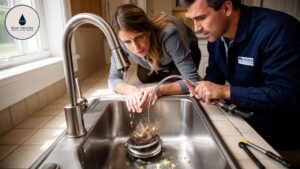
Blue Pacific Cape Cod has been unclogging drains for 20 years and we see the same patterns over and over. Imagine a Falmouth homeowner washing dishes one evening when the sink suddenly fills with cloudy water, bringing back the same frustrating clog they thought was already fixed.
After another slow drain turns into a complete backup you realize the problem may be deeper than surface buildup and then needs a proper inspection company like us to find the cause.
Why Does My Drain Keep Clogging Every Few Weeks
Hair tangles around mineral buildup. Grease hardens on pipe walls. Tree roots in drain line poke holes in old pipes. Each of these causes repeated blockages no matter how often you clear them.
Recurring clogs usually mean the root problem is still there. A quick drain snaking may clear the blockage temporarily but the same drain can break up again within weeks.
See EPA water quality standards for how sediment and mineral buildup affect residential plumbing systems across the US. A single clearing is temporary. Real solutions address what is causing the clogs.

Drain Keeps Clogging Because of Hair and Soap Buildup
Hair often gets stuck inside your drain and mixes with soap residue. It creates a sticky buildup. Over time this buildup slows water flow and can eventually cause stubborn and recurring clogs.
Soap leaves a waxy coating on pipe walls. Hair sticks to this coating. More hair piles on. Eventually you have a nest of hair mixed with dried soap blocking the pipe.
This happens in shower drains most. Bathroom sinks second. Kitchen sinks rarely unless you have extremely long hair.
Standard drain snaking breaks the blockage apart but leaves hair on the pipe walls. It grows back quickly. Within weeks you’re blocked again. Proper cleaning removes the soap coating that catches hair.
Recurring Drain Clogs From Grease Accumulation
Most probably, kitchen pipes can collect a thick layer of cooking oils and food residue. This buildup reduces the space available for water to flow eventually causing slow drainage or backups and stubborn clogs.
- Grease cools as it travels down pipes. It hardens and sticks to the walls. Each spoon of grease adds to the layer. Soon the pipe narrows significantly.
- Hair catches on grease buildup in drains. Soap clings to it. Mineral deposits settle on the sticky surface. What started as invisible grease becomes a solid clog.
- Grease problems happen in kitchen sink drains mostly. You don’t see it happening because it’s gradual. One day water drains fine. Next month it’s slow. Two months later it’s completely blocked.
Boiling water helps temporarily. It melts grease momentarily. But when it cools the grease hardens again. You need enzymatic cleaners or professional hydro jetting to remove the buildup permanently.
| Tip: Never pour cooking grease directly down your kitchen drain and let it cool and dispose of it in the trash instead. Regular drain maintenance can also help prevent grease buildup from turning into stubborn clogs. |
Why Does My Sink Keep Clogging From Mineral Scale
Hard water leaves mineral scale in pipes. Calcium and magnesium build up over years. The deposits narrow your pipes slowly. The narrower pipes result in a hard water drain problem where something gets stuck in it. A piece of food that would slide through a normal pipe gets caught in a partially clogged one.
This is especially bad in older homes with galvanized pipes. Rust combines with minerals to create rough deposits. Everything catches on them. You can’t fix mineral buildup with a drain snake. You need chemical treatment or pipe replacement. Some plumbers use electrolytic devices that reduce mineral accumulation.
Drain Clogs Every Few Weeks Due to Tree Roots
Tree roots seek moisture. They grow toward your drain line. Once they crack the pipe they grow inside it. Here is the time you ned a professional drain cleaning in Cape Cod.
Roots start small. They don’t block the drain immediately. But they trap hair, grease, and debris. Your drain clogs. You have it snaked. Two weeks later the roots catch more stuff and you’re blocked again.
Root problems get worse over time. The crack gets bigger. More roots enter. Eventually you need to replace the entire pipe section.
Signs of root problems include recurring clogs plus slow drainage everywhere. Clogs often happen near the yard where tree roots grow. Check local water authority guidelines for regulations on drain line repairs in Massachusetts.
Root problems are permanent until you address the root damage. Snaking helps temporarily but doesn’t kill roots or seal the crack.
What Causes Repeated Drain Clogs By Location Type
Different clogs need different solutions. Understanding what is clogging your drain helps us fix it permanently.
| Drain Location | Most Common Cause | Temporary Fix | Permanent Solution |
|---|---|---|---|
| Kitchen sink | Grease buildup | Boiling water | Enzymatic cleaner or hydro jetting |
| Shower drain | Hair and soap | Plunging | Remove soap coating and hair nest |
| Bathroom sink | Hair and toothpaste | Plunger | Snake and coat removal |
| Main line | Multiple causes | Snake clearing | Camera inspection and targeted fix |
| Basement floor drain | Sediment and debris | Plunging | Clean sediment trap regularly |
Expert Drain Cleaning Fixes the Real Problem
Drain cleaning Falmouth MA involves more than simply pushing a clog deeper into the pipe. A proper cleaning finds the buildup and removes the blockage or addresses the cause to help prevent the same problem from coming back.
- Hydro jetting uses high pressure water to scour pipe walls. Grease or soap and mineral deposits and hair all get blasted away. The pipe is basically new again.
- Camera inspection finds root damage, broken pipes, and sections damaged by years of clogs. You can see exactly what’s wrong before spending money to fix it.
- Chemical cleaners dissolve grease and mineral buildup. They work overnight. You can’t use them on some pipe types so professional assessment matters.
- Enzymatic treatments break down organic matter. They’re safe for septic systems. They work slowly but permanently address buildup.
- Replacing damaged sections is expensive but necessary sometimes. An old cracked pipe with roots growing in needs replacement. Snaking it repeatedly costs more than replacing it.
| Tip: Ask for a camera inspection when clogs keep returning especially if snaking only provides temporary relief. Finding the real cause early can help you avoid repeated repairs and unnecessary expenses. |
Professional Drain Cleaning VS DIY Attempts
Most homeowners try DIY first. Store bought drain cleaners sometimes help temporarily. But they don’t address the actual causes of clogged drains or recurring clogs.
Baking soda and vinegar fizz pleasantly. It smells nice. It doesn’t clear serious blockages. Plunging works on shallow clogs. It doesn’t touch grease buildup or mineral deposits.
Snake rentals are cheap but difficult. You can clear the immediate clog. You won’t remove the buildup causing repeated blockages. Professionals use industrial snakes that are way more powerful.
Hydro jetting isn’t available for homeowner rental. It requires special equipment and expertise. One mistake and you can damage PVC pipes or crack the line.
Get Professional Drain Cleaning Today
Tired of calling a plumber every month for the same clogged drain? We are Blue Pacific Cape Cod and we fix recurring drain problems permanently. We’ve been servicing Falmouth and nearby communities for 20 years.
Our professional drain cleaning identifies what’s causing your clogs. Grease. Hair. Minerals. Tree roots. Whatever it is we remove it completely so the problem doesn’t come back.
Call us at (508) 274-9939 or email BluePacificCapeCod@gmail.com. We offer hydro jetting, camera inspection, and enzymatic cleaning. Get the drain cleaning that actually solves your problem.
Let’s fix it right this time.
Frequently Asked Questions
How often should I have my drains professionally cleaned?
Most homes benefit from professional cleaning every 1 to 2 years. Homes with hard water need it yearly. Homes with lots of trees in the yard may need it more often. Call (508) 274-9939 to set up a drain inspection.
Can I use chemical drain cleaners to prevent clogs?
Chemical cleaners work in emergencies but hurt your pipes over time. They’re corrosive and can crack old pipes. Enzymatic cleaners are safer for prevention. We recommend professional hydro jetting instead of chemicals.
What’s the difference between a clogged drain and a sewer line problem?
A clogged drain is one fixture backing up. A sewer line problem affects everything. You see multiple drains backing up or smell sewage outside. Call us immediately if you suspect sewer line issues.
Will snaking my drain fix the recurring clog problem?
Snaking removes the current blockage. It doesn’t stop future ones from forming. If your drain clogs every few weeks you need our professional cleaning service to remove what’s catching everything.
How much does professional drain cleaning cost in Falmouth?
Standard drain cleaning runs $150 to $300 depending on the drain location. Hydro jetting costs $300 to $600. Camera inspection is $200 to $400. Call for a quote based on your specific situation.
What areas around Falmouth do you service?
We service Falmouth and all nearby communities. Call (508) 274-9939 to confirm your area. Most Cape Cod locations are covered.
How long does drain cleaning take?
Standard cleaning takes 30 minutes to 2 hours. Hydro jetting takes 1 to 3 hours. Camera inspection adds 30 to 45 minutes. Emergency calls get priority scheduling.
What should I do if my drain backs up before you arrive?
Don’t use chemical cleaners. Don’t plunge excessively. Let the water drain naturally if it’s moving slowly. Use the other bathroom or kitchen if possible. We’ll have you cleared quickly.
Sources
EPA Wastewater Guidelines: Federal guidelines on water quality and residential plumbing standards. Details how sediment and mineral buildup affect drain function and when professional cleaning is recommended.
Massachusetts State Plumbing Code: State-specific regulations for drain systems and wastewater in Massachusetts. Covers Falmouth area requirements, drain line standards, and when repairs versus replacement is necessary.
American Society of Plumbing Engineers: Industry standards for drain design and maintenance. Explains causes of recurring clogs and professional methods for permanent solutions to drainage problems.