

Summarize with
Installing a tankless water heater requires a series of technical steps, including removing the existing tank, mounting the new unit on a wall, and connecting the water, gas, or electrical lines. The process also involves installing a specific venting system to safely move exhaust gases outside the home. While many homeowners choose a professional tankless water heater installation to ensure compliance with local building codes, understanding the process helps in effectively planning the project.
Blue Pacific Cape Cod provides this information based on extensive field experience with residential plumbing systems. This guide explains how to install a tankless water heater while highlighting the technical requirements and safety protocols necessary for a successful setup.
Tankless vs Tank Water Heater
Before beginning a tankless water heater setup, compare the two main types of systems. Traditional tanks keep a large volume of water hot at all times, which leads to standby energy loss. A report from Energy.gov indicates that tankless units can be 25% to 35% more energy-efficient for homes that use 41 gallons or less of hot water daily.
Tankless units provide hot water only when a tap is turned on. This design saves space and lowers long-term utility costs. However, the initial tankless water heater installation cost is generally higher than traditional tanks because of the need for specialized venting and potentially larger gas lines.
| Feature | Tank Water Heater | Tankless Water Heater |
| Lifespan | 10 to 15 years | 20 or more years |
| Energy Use | Heats water 24/7 | Heats water on demand |
| Physical Size | Large, floor-mounted | Small, wall-mounted |
| Hot Water Supply | Limited by tank size | Continuous |
| Average Installation Cost | $600 to $1,500 | $1,200 to $3,500+ |
Want a deeper look at long-term costs and which option fits your household size? See our full tank vs tankless comparison for Cape Cod homes.
Preparing for Tankless Water Heater Installation
Proper preparation prevents delays and safety hazards. Start by selecting a location that allows for easy venting. Most gas units require a direct path to an exterior wall. Ensure the wall can support the weight of the unit and that there is enough clearance for maintenance.
Check the existing utilities. Most tankless units require a larger gas line than traditional tanks. A standard tank might use a 1/2-inch line, while many tankless units require a 3/4-inch line to handle the high BTU (British Thermal Unit) demand when firing up. Electrical requirements also change, especially if switching to an electric tankless unit, which may require an upgrade to the home electrical panel.
Steps to Install a Tankless Water Heater
1. Remove the Old Water Heater
Turn off the gas supply or the circuit breaker for the existing heater. Close the cold water supply valve. Attach a hose to the drain valve at the bottom of the tank and empty the water into a floor drain or outside. Once empty, disconnect the water pipes and the gas line. Remove the old venting and haul the tank away.
2. Mount the Tankless Unit
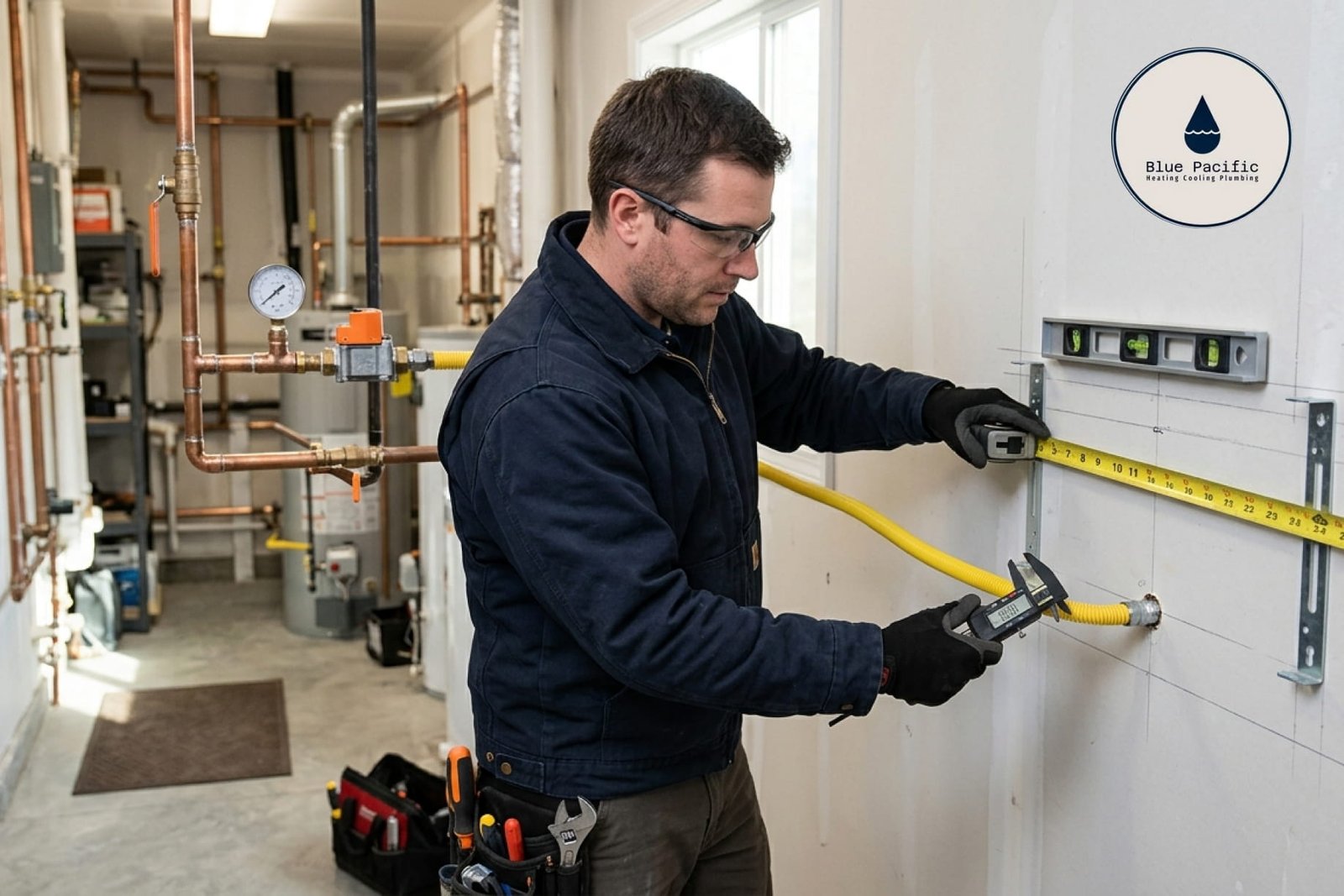
Install a piece of plywood or a mounting bracket on the wall if the studs do not align with the unit’s mounting holes. Secure the tankless heater to the wall according to the manufacturer’s specifications. Ensure the unit is level to prevent internal drainage issues.
3. Connect the Water Lines
Install new copper or PEX water lines to the unit. It is helpful to install a service valve kit on both the cold water inlet and the hot water outlet. These valves allow for easy flushing of the system in the future. Connect the cold water supply to the inlet and the hot water pipe to the house plumbing.
Bonus Tip: You must use a pressure relief valve on the hot water side. This is a critical safety requirement that prevents the unit from over-pressurizing or failing if internal pressure becomes too high.
4. Connect the Gas Supply
Run the gas line to the heater. Install a gas shutoff valve and a sediment trap (dirt leg) before the connection to the unit. Use a flexible gas connector if local codes allow, or use black iron pipe for a rigid connection. Check all joints for leaks using a soapy water solution or a gas leak detector.
5. Install the Venting System
Gas tankless heaters produce hot exhaust that must go outside. Most modern units use Category III stainless steel or specific PVC venting, depending on the model. Follow the manual exactly regarding vent length and the number of elbows used. Improper venting can lead to carbon monoxide buildup inside the home.
6. Connect Power and Start the Unit
Plug the unit into a grounded electrical outlet. Open the water valves and run a hot water tap to bleed air out of the lines. Turn on the gas supply and follow the manufacturer’s instructions to power on the display. Set the desired temperature, usually 120 degrees Fahrenheit.
Common Mistakes During Installation
Avoid these frequent errors to ensure the unit operates safely and stays under warranty:
- Undersizing the Unit: Choosing a heater that cannot handle the home’s peak demand leads to lukewarm water. Calculate the total flow rate of all faucets and showers that might run at the same time.
- Improper Venting: Using standard PVC for a unit that requires stainless steel or high-temperature plastic will cause the vent to melt or leak.
- Neglecting Water Quality: According to data from Angi, hard water scale is the leading cause of tankless heater failure. If the home has hard water, install a water softener or scale inhibitor.
- Incorrect Gas Line Size: Not sure if this is a project to tackle yourself? Our DIY vs professional water heater installation guide breaks down the risks specific to gas and venting work.
Bonus Tip: Always check for local rebates. Many utility companies offer financial incentives for switching to high-efficiency tankless systems.
Things to Consider Before Making a Decision
Before searching for a tankless water heater installer near me, evaluate these specific factors to ensure the system fits your home:
- Fuel Source: Switching from electric to gas or vice versa involves significant infrastructure changes.
- Climate: In colder climates, the incoming water is much colder. This means the heater must work harder to reach the target temperature, which reduces the total gallons per minute (GPM) the unit can provide.
- Installation Location: While these units are small, they need clear space around them for air intake and exhaust. Indoor units need venting, while outdoor units must be rated for freezing temperatures.
Common Questions About Tankless Units
How much does professional tankless water heater installation cost?
According to HomeAdvisor, the average cost ranges between $1,200 and $3,500 for labor and materials, depending on the complexity of the venting and gas line upgrades.
Can I install a tankless water heater myself?
While a skilled DIYer can handle the mounting and water lines, gas and venting requirements are strict. Mistakes in these areas can lead to fire or carbon monoxide poisoning. Most manufacturers only honor the warranty if a professional performs the work.
How often does the unit need maintenance?
Most manufacturers recommend flushing the unit once a year with a white vinegar solution to remove calcium deposits. In areas with very soft water, this might only be necessary every two to three years.
What size tankless water heater is needed for a family of four?
A family of four usually requires a unit with a flow rate of 7 to 9 gallons per minute. This allows for two showers and a dishwasher to run simultaneously without a drop in temperature.
How long does the installation process take?
Replacing an old tank with a tankless unit typically takes 4 to 8 hours. If the technician needs to run a new gas line or install complex venting through masonry, the process can take a full day or more.
Does a tankless heater provide instant hot water?
No, it provides continuous hot water. You still have to wait for the hot water to travel through the pipes from the heater to the faucet. For instant delivery, a recirculation pump is necessary.
Why is my tankless water heater making a loud noise?
Loud noises usually indicate scale buildup on the heat exchanger or a problem with the fan motor. Flushing the unit often resolves these noise issues.
Summary of Key Takeaways
A tankless water heater offers long-term energy savings and a constant supply of hot water when sized and installed correctly. The process requires careful attention to gas line capacity and venting safety. Homeowners should prioritize unit sizing based on their local climate and peak water usage. Evaluate your home’s current gas and electrical capacity before purchasing a unit to avoid unexpected upgrade costs.
Help with Your Water Heater Project
Blue Pacific Cape Cod provides expert tankless water heater installation in Falmouth and high-efficiency system setups. For guidance on selecting the right unit or to discuss your specific home requirements, contact Blue Pacific Cape Cod at (508) 274-9939 or via email at BluePacificCapeCod@gmail.com.
Sources
- Consumer Reports – Comprehensive buying guide for water heaters and efficiency comparisons.
- Energy.gov – Government data regarding the energy efficiency and operation of tankless water heaters.
- HomeAdvisor – Market data regarding the national average costs for tankless water heater installation.
- Angi – Practical maintenance information and common causes of equipment failure.