



Trusted Plumbing & HVAC Services in Cape Cod, MA
Reliable Plumbing and HVAC Solutions Across Cape Cod
Ageing pipes, failing boilers, and unreliable HVAC systems are not just inconvenient. They drive up energy costs, damage property, and leave families without heat or hot water at the worst possible times. Cape Cod properties face unique challenges from salt air, seasonal demand, and older infrastructure. Our licensed team delivers fast, code-compliant solutions built specifically for homes and businesses across the Cape.
Dependable Service Backed by Local Expertise
Cape Cod property owners trust our team because we provide reliable workmanship, fast communication, and long-term service solutions designed specifically for local homes, businesses, and changing seasonal conditions across the region.
Fast Response for Urgent Issues
Our technicians respond quickly to plumbing, heating, and HVAC emergencies throughout Cape Cod, reducing downtime, restoring comfort, and preventing additional property damage through accurate diagnostics and professional repair solutions.
Skilled Technicians for Every Service
Our licensed professionals handle plumbing systems, gas lines, HVAC equipment, boilers, water heaters, and drainage systems with precision, ensuring safe installations, reliable repairs, and consistent long-term system performance for every property.
Reliable Solutions Built to Last
We focus on long-term efficiency instead of temporary fixes. Our repair and installation services improve system reliability, lower energy waste, and help residential and commercial properties avoid unnecessary future repair costs.
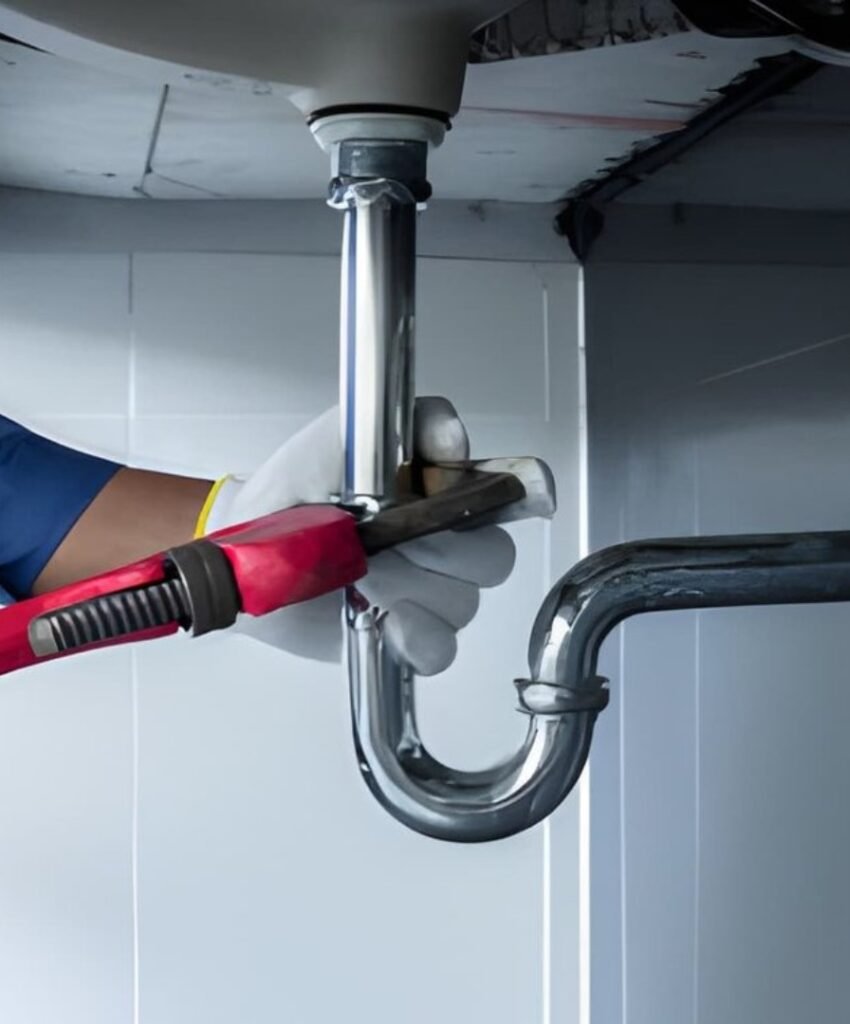
Commercial Plumbing in Cape Cod, MA
Commercial plumbing systems experience heavy daily use, making fast repairs and proper maintenance essential for smooth business operations. Plumbing failures can interrupt productivity, create safety concerns, and affect customer experience. Our commercial plumbing services include leak detection, pipe repairs, restroom plumbing, fixture replacement, water line services, and preventative maintenance. Blue Pacific Cape Cod provides efficient commercial plumbing solutions designed for offices, restaurants, retail stores, hospitality properties, and commercial facilities across Cape Cod while minimizing operational disruptions and protecting long-term plumbing performance.
HVAC Services in Cape Cod, MA
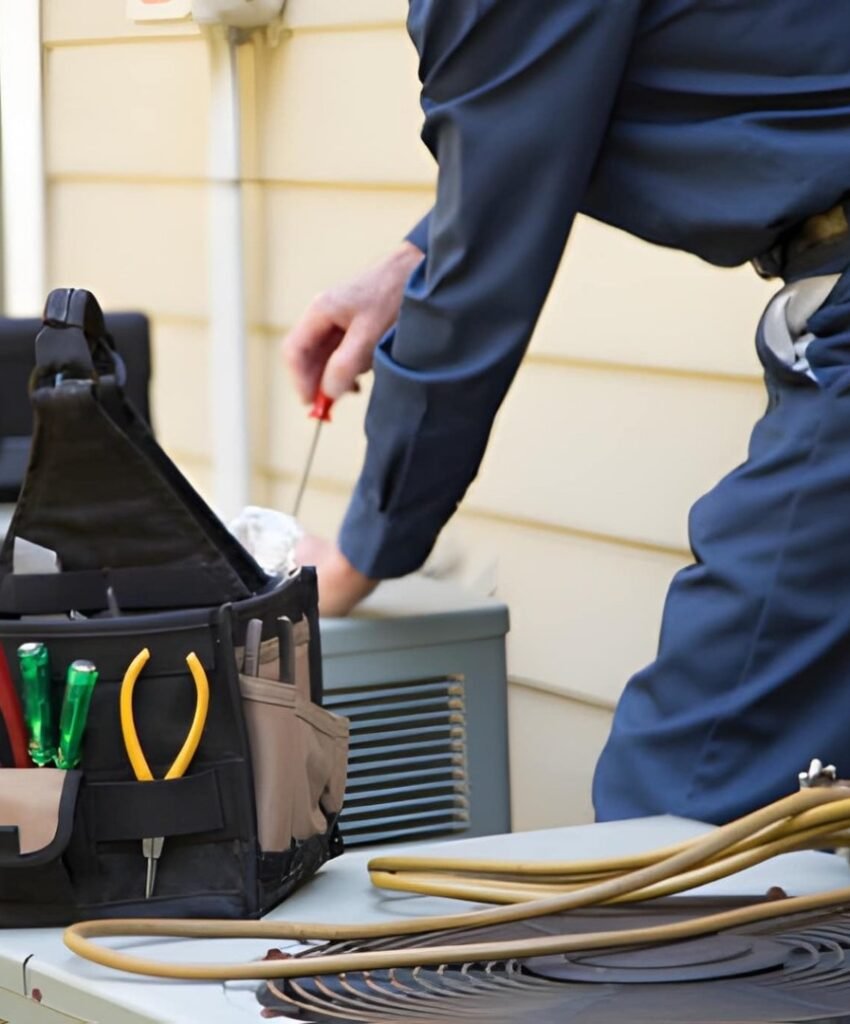
Heating and cooling systems play a major role in indoor comfort, energy efficiency, and air circulation throughout residential and commercial properties. Poor HVAC performance often causes uneven temperatures, rising energy bills, and uncomfortable indoor conditions. Our HVAC services include system diagnostics, repairs, maintenance, installations, airflow improvements, and seasonal tune-ups. Blue Pacific Cape Cod delivers dependable HVAC solutions using experienced technicians and modern equipment to improve system efficiency, maintain indoor comfort, and support long-term heating and cooling performance throughout Cape Cod properties year-round.
Gas Piping & Appliance Installation in Cape Cod, MA
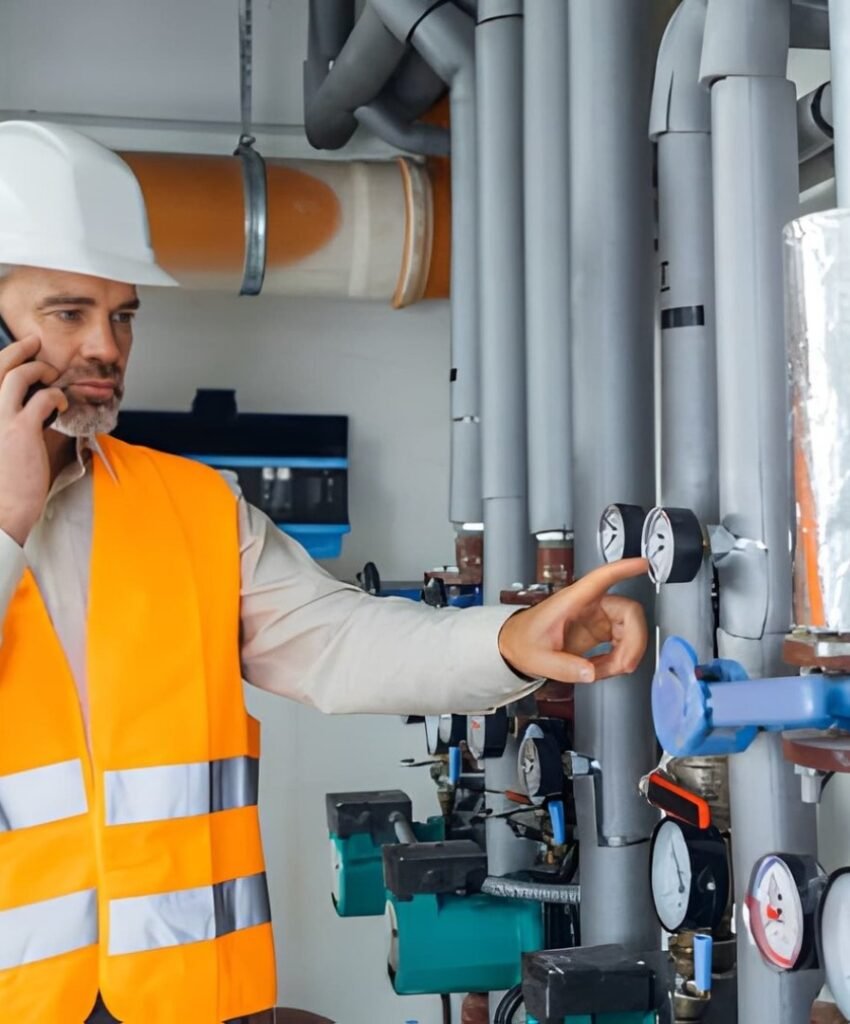
Gas piping systems require precise installation and careful safety inspections to ensure reliable appliance operation and prevent hazardous leaks. Improper gas line work can create serious safety risks for homes and businesses. Our gas piping and appliance installation services include gas line installation, leak detection, appliance hookups, pressure testing, and system upgrades. Blue Pacific Cape Cod follows strict safety standards and local building requirements while delivering safe, efficient gas piping solutions for stoves, fireplaces, water heaters, boilers, and commercial equipment throughout Cape Cod.
Boilers Installation & Repairs in Cape Cod, MA
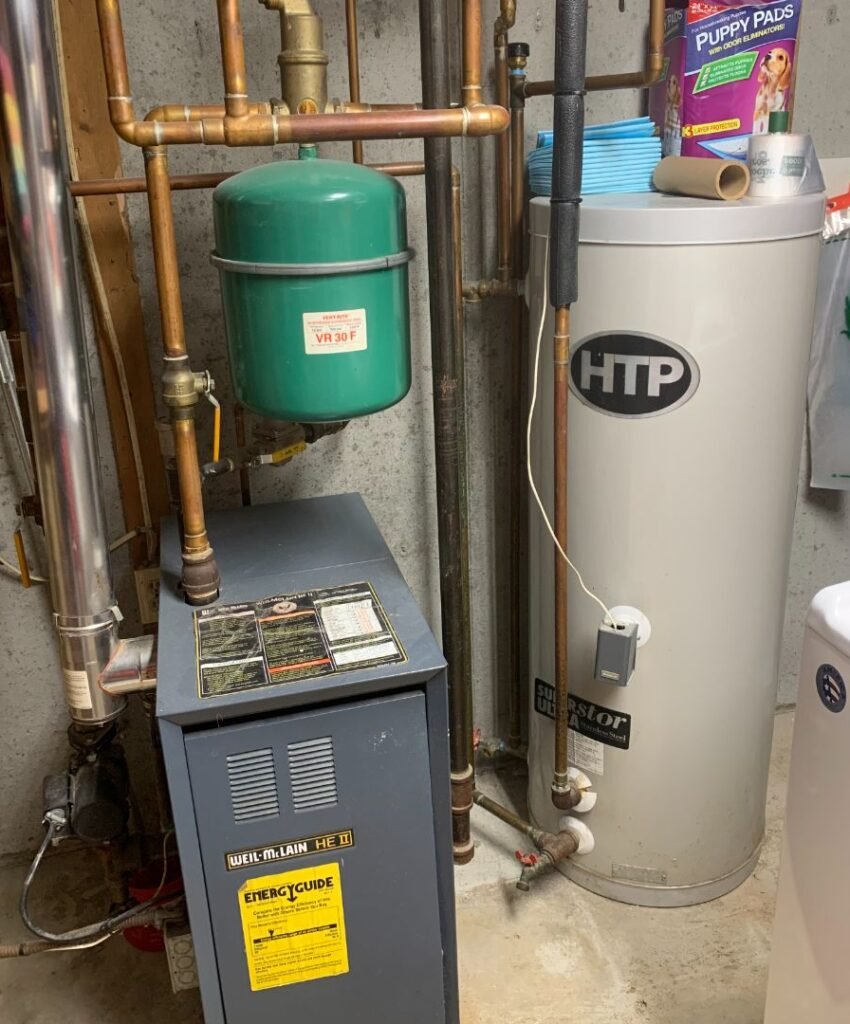
Reliable boiler systems are essential for maintaining comfortable indoor temperatures during colder Cape Cod seasons. Boiler leaks, pressure issues, or complete system failures can quickly affect safety and heating performance. Our boiler services include new boiler installation, emergency boiler repairs, maintenance inspections, leak repairs, and system upgrades. Blue Pacific Cape Cod installs and repairs high-efficiency boiler systems designed for dependable heating, lower energy consumption, and long-term performance across residential and commercial properties throughout Cape Cod communities.
Plumbing Services in Cape Cod, MA
Plumbing systems support essential daily functions throughout every residential and commercial property. Leaks, damaged pipes, low water pressure, and fixture problems can create major disruptions if left unresolved. Our plumbing services include pipe repairs, fixture installations, leak detection, bathroom plumbing, kitchen plumbing, water line repairs, and preventative maintenance. Blue Pacific Cape Cod provides professional plumbing solutions focused on efficiency, reliability, and long-term system health while helping Cape Cod property owners avoid unnecessary water damage and expensive future repairs.
Drain Cleaning in Cape Cod, MA
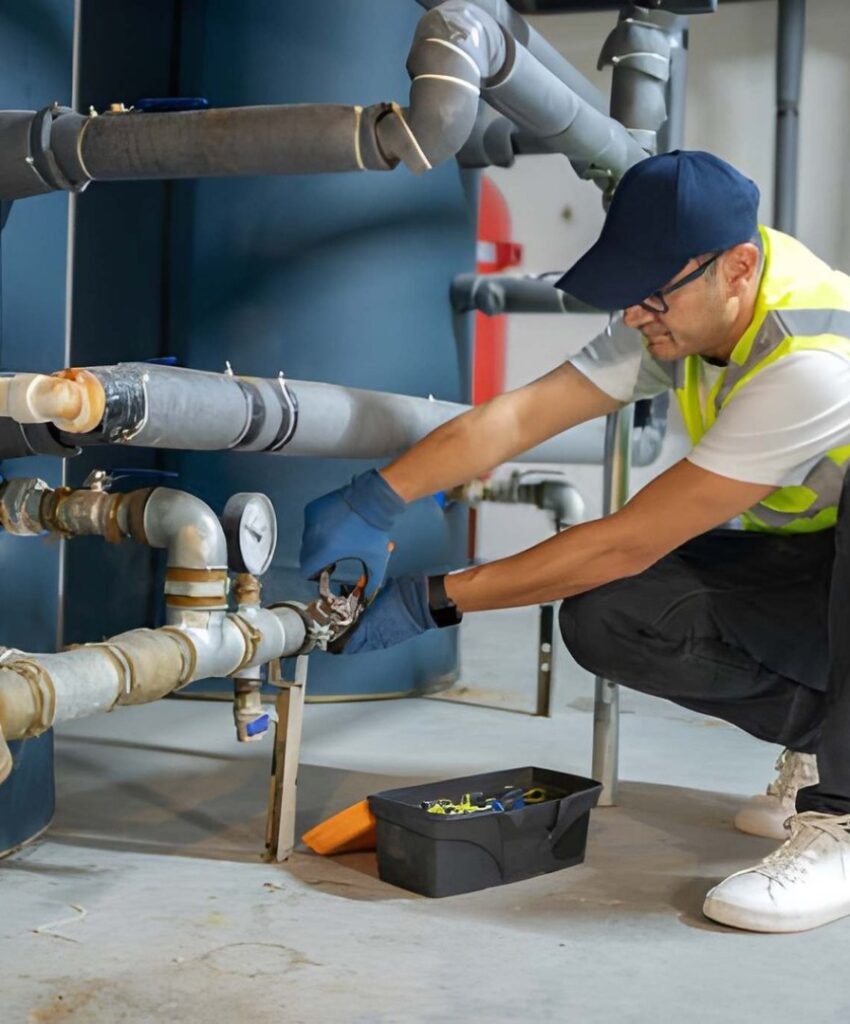
Blocked drains can slow water flow, create unpleasant odors, and increase the risk of serious plumbing backups throughout your property. Over time, grease, debris, soap buildup, and foreign materials restrict drainage systems and reduce performance. Our drain cleaning services include clog removal, sewer inspections, hydro jetting, and preventative maintenance solutions. Blue Pacific Cape Cod uses professional tools and safe cleaning methods to restore proper drainage flow, improve plumbing efficiency, and prevent recurring blockage problems for homes and businesses across Cape Cod.
Water Heater Installation in Cape Cod, MA
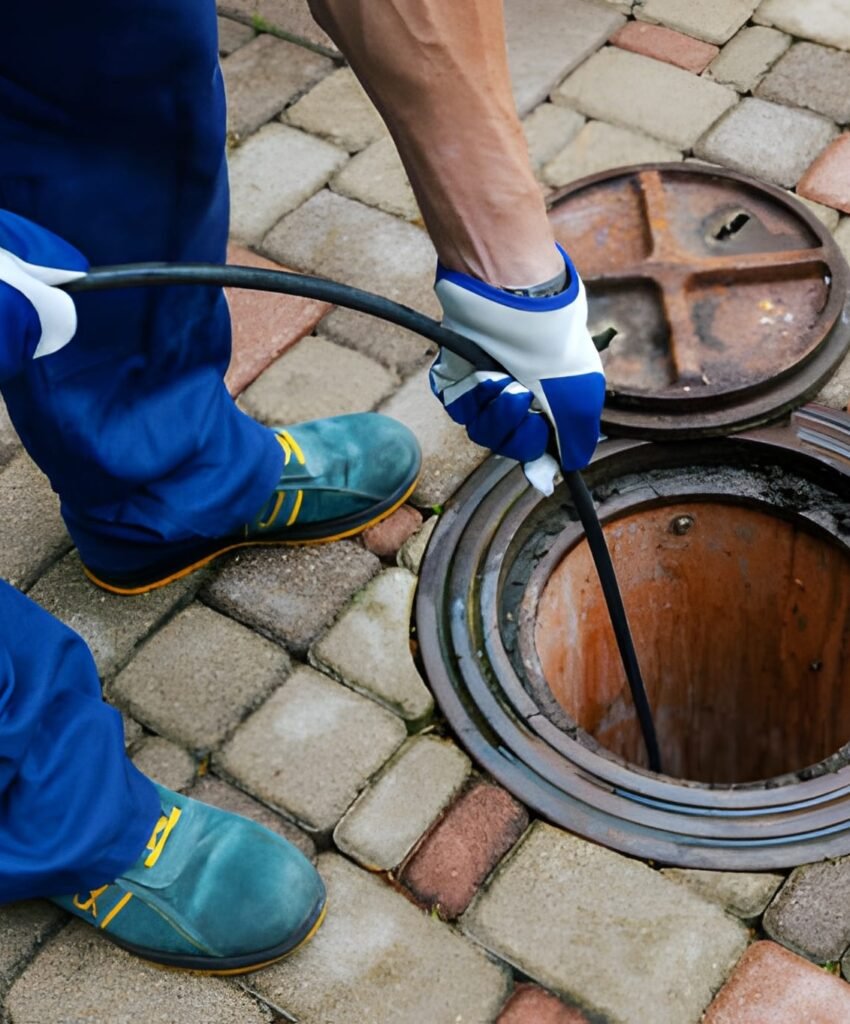
A dependable water heater system is essential for consistent hot water access throughout homes and commercial buildings. Aging or damaged water heaters often increase energy usage and struggle to meet daily demand. Our water heater installation services include traditional tank systems, tankless water heaters, replacements, upgrades, and efficiency evaluations. Blue Pacific Cape Cod installs reliable water heating systems designed to improve energy efficiency, provide consistent hot water, and support long-term system performance for Cape Cod property owners.
Heat Pumps in Cape Cod, MA
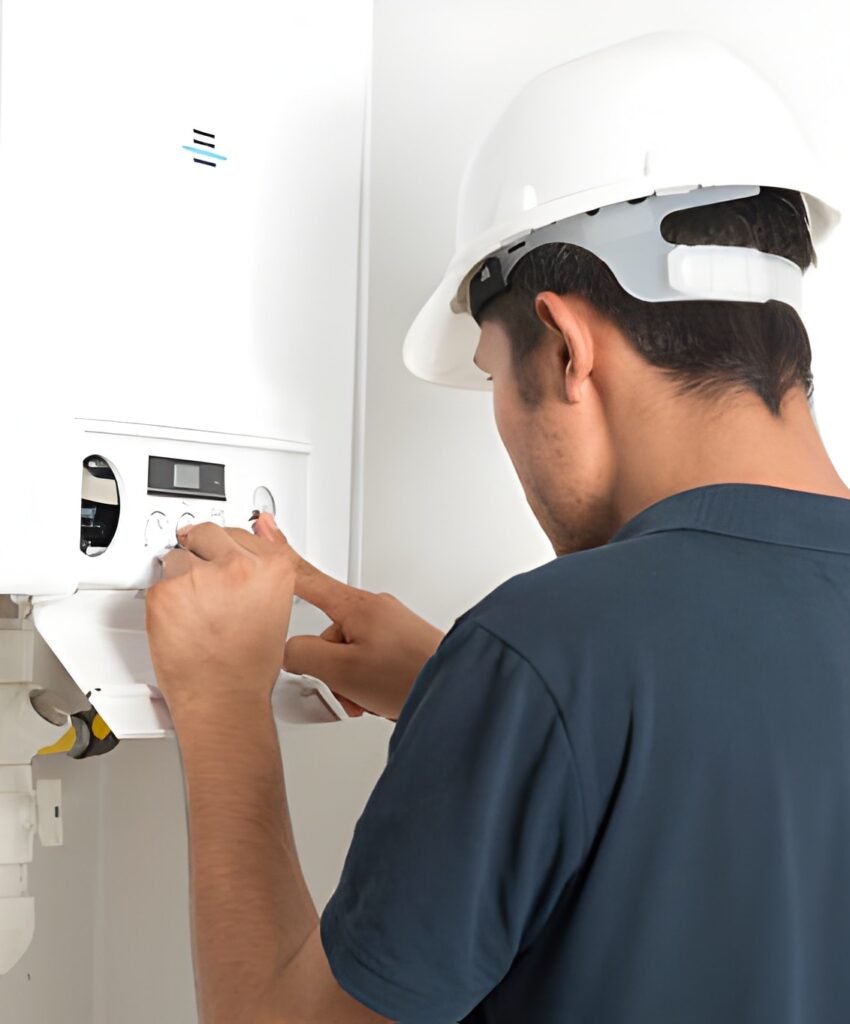
Heat pumps provide energy-efficient heating and cooling solutions for residential and commercial properties throughout Cape Cod. Modern heat pump systems help maintain indoor comfort while reducing overall energy consumption during changing seasonal temperatures. Our heat pump services include installation, repairs, maintenance, replacements, and system optimization. Blue Pacific Cape Cod installs advanced heat pump systems that improve temperature control, lower utility expenses, and deliver reliable year-round comfort while supporting environmentally responsible energy usage across Cape Cod properties.
Trusted Professionals Serving Cape Cod Homes
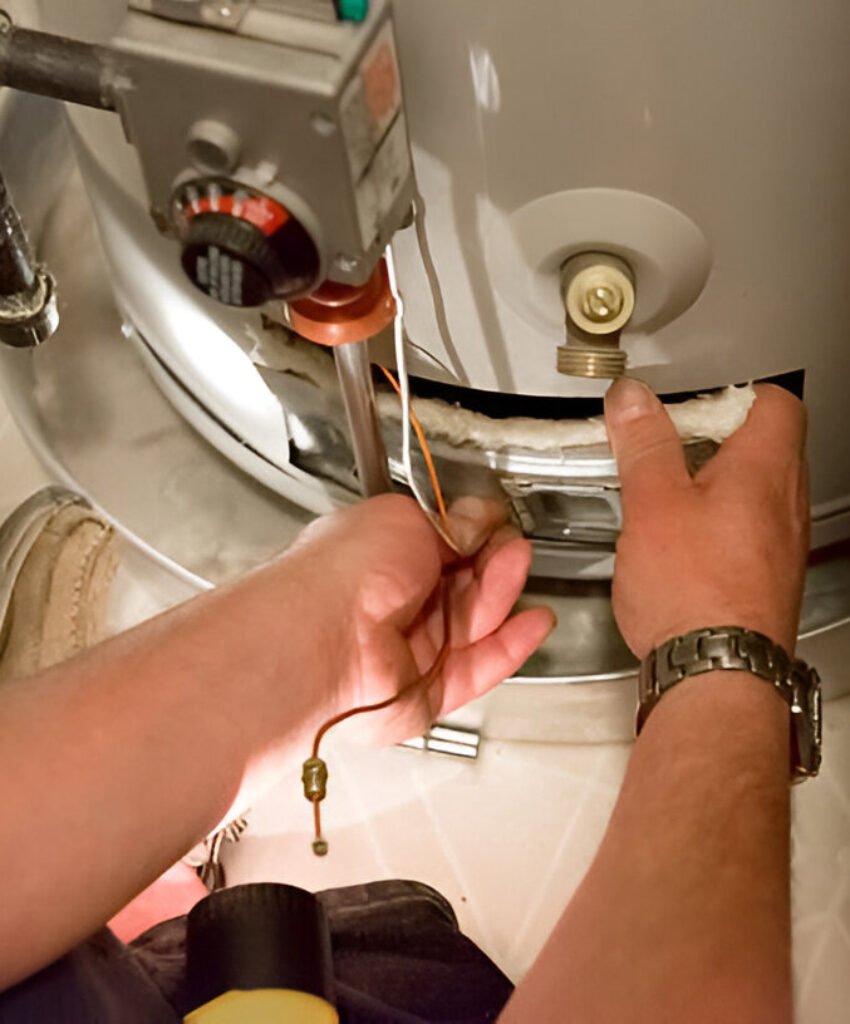
We know property owners want technicians they can trust inside their homes and businesses. That is why our team focuses on honest communication, reliable workmanship, and clear recommendations before any work begins. Every project is handled carefully with attention to safety, cleanliness, and long-term performance. Blue Pacific Cape Cod continues to earn the trust of local property owners through dependable service and consistent results across every plumbing, heating, and HVAC project.
Testimonials
Posted on GoogleTrustindex verifies that the original source of the review is Google. Nick did a beautiful job installing our outdoor shower. His careful and intentional placement of the exposed copper pipe is both functional and also an attractive addition to the custom cedar shower. He was extremely helpful with the project in the planning stages and we couldn’t be happier with how it all came together ! We highly recommend Nick and his team at Blue Pacific .Posted on GoogleTrustindex verifies that the original source of the review is Google. They have done a great job. I had a previous plumber in there who said it wasn’t possible and wanted to run the pipe on the outside of the house. Blue Pacific came in reconnected the pipes ran through the wall pressure tested them and made everything work when other company said it wasn’t possible so happy thank you so much guysPosted on GoogleTrustindex verifies that the original source of the review is Google. Fast nice and very capable!Posted on GoogleTrustindex verifies that the original source of the review is Google. Nick was very professional and provided very quick service. I would highly recommend his company!Posted on GoogleTrustindex verifies that the original source of the review is Google. Helped us out promptly for an emergency.Posted on GoogleTrustindex verifies that the original source of the review is Google. Nick and his assistant showed up at the time they had told us. Did beautifully clean work in installing a heat pump for the pool. They had to be creative in placing the pump as it was configured differently electrically and pvc wise from the previous. The price was fair and as estimated. Great guys!Posted on GoogleTrustindex verifies that the original source of the review is Google. Nick and Dillon were fantastic. On time, competent, professional, respectful and very personable. Crushed it. Can’t recommend highly enough. Thank you!Posted on GoogleTrustindex verifies that the original source of the review is Google. Blue Pacific is so refreshing to work have on a project with us. As a business owner I appreciate excellent customer service and professionalism and Blue Pacific has nailed it! They are fast and very personable and they always do a great job. We have used them several times in various projects and we are extremely happy with their work.Posted on GoogleTrustindex verifies that the original source of the review is Google. Excellent - we will call you with any service needed in the future. Thank youPosted on GoogleTrustindex verifies that the original source of the review is Google. Great service and very responsive.
Our Seamless Service Delivery Process
We have streamlined our workflow to ensure every project is completed efficiently and with minimal disruption to your daily life. From the initial inquiry to the final inspection, we maintain the highest standards of professionalism and technical accuracy for you.
- Schedule Your Inspection
- System Diagnosis & Quote
- Professional Repair or Installation
- Final Testing & Clean-Up
Nearby Famous Areas in Cape Cod, MA

Barnstable
We provide expert plumbing and HVAC solutions across Barnstable, ensuring local homes and businesses maintain year-round comfort and system efficiency.
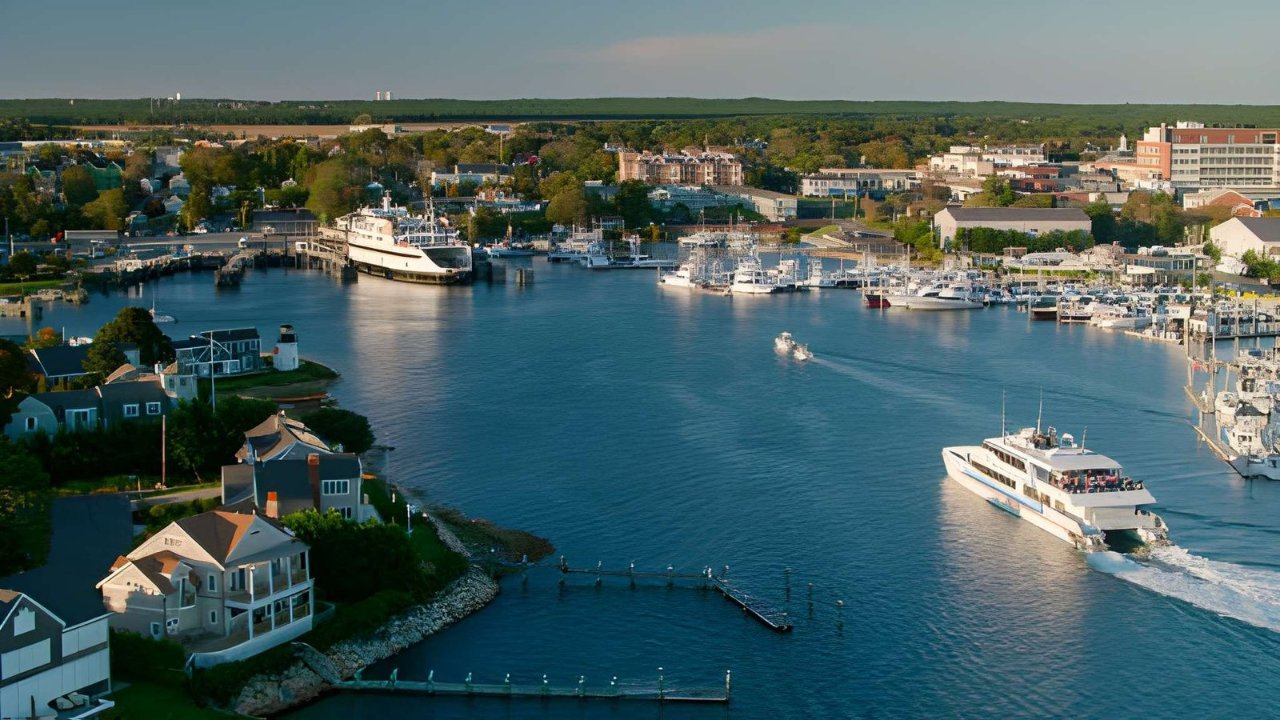
Hyannis
Our team delivers rapid 24/7 emergency repairs and high-efficiency installations for residential and commercial properties throughout the busy Hyannis area.

Falmouth
As trusted local contractors, we offer comprehensive boiler repairs and gas piping services to residents and businesses throughout Falmouth, MA.
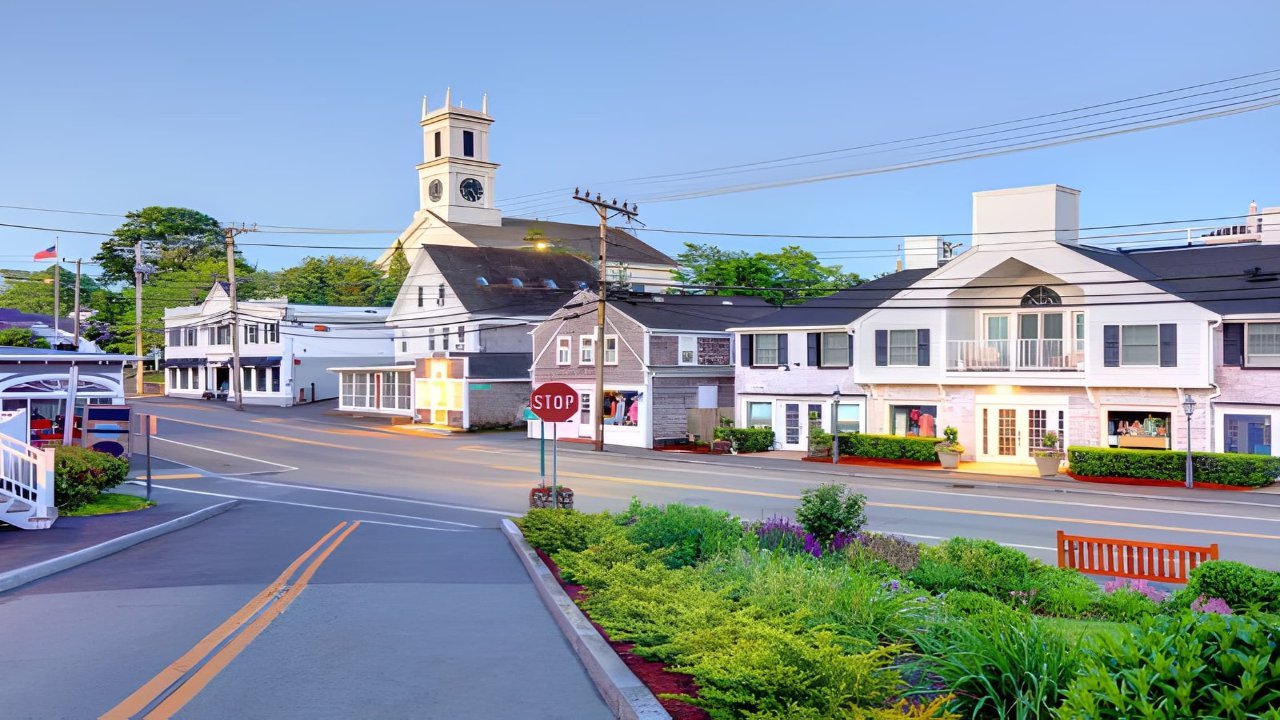
Chatham
We specialize in coastal-ready HVAC and plumbing services in Chatham, protecting luxury homes from salt air corrosion and winter freezes.
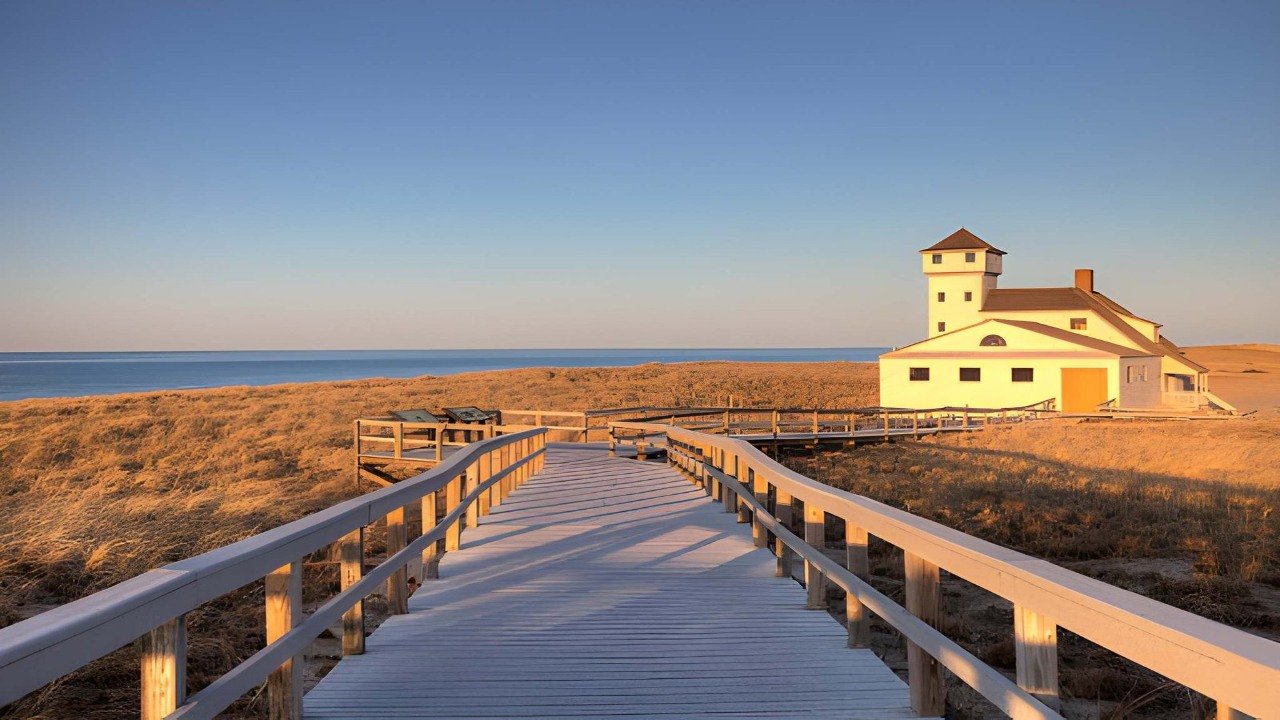
Provincetown
From drain cleaning to water heater installs, we serve Provincetown with reliable, professional maintenance tailored for unique coastal property needs.
Sandwich
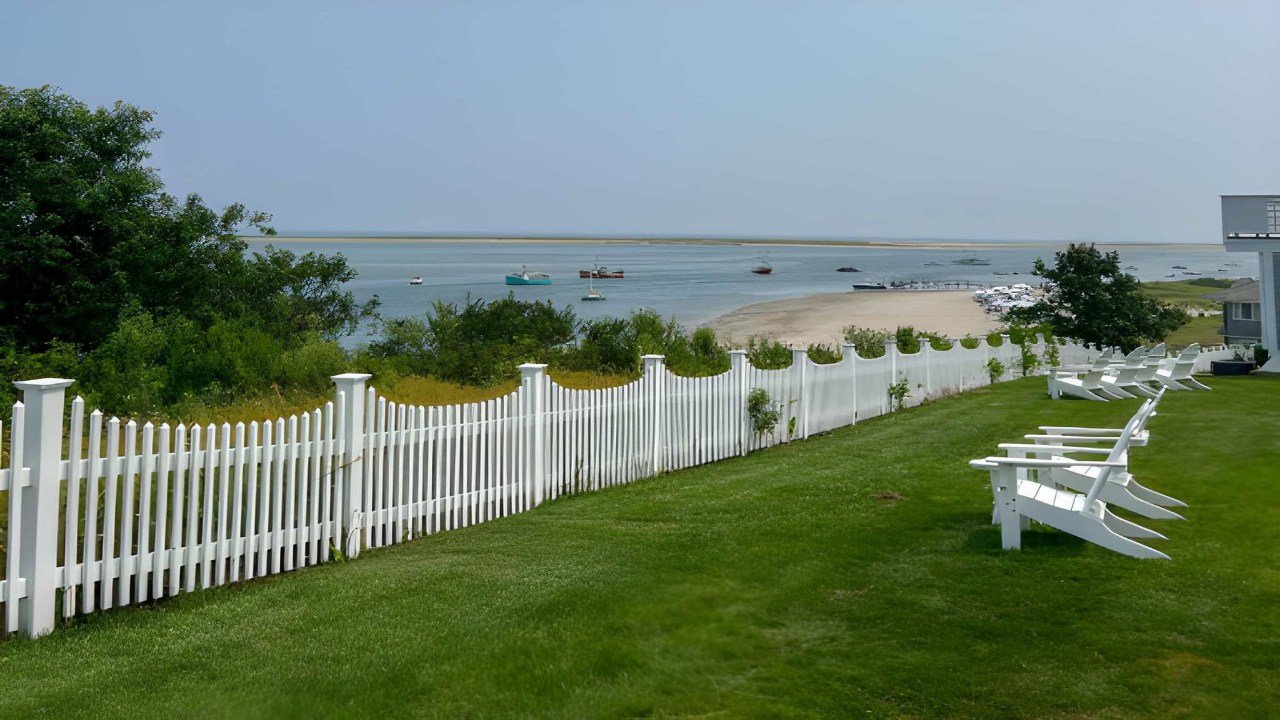
Residents in Sandwich rely on our certified technicians for precise HVAC upgrades and durable plumbing repairs that enhance long-term home value.
Case Study
A Hyannis homeowner faced a total boiler failure during a freeze, causing a burst pipe and basement flooding. Our emergency team arrived within forty-five minutes, stopped the leak, and extracted the water. We replaced the damaged piping and repaired the boiler’s ignition switch immediately. This rapid response restored heat and prevented structural damage, ensuring the family’s safety and total comfort.
Frequently Asked Questions
Contact Our Expert Service Team Anytime
Anytime you need us, we’re just a call away. Contact our team for quick responses, expert service, and dependable solutions you can always trust for your home or business needs.
Get Reliable Service Before Problems Escalate
Do not let small plumbing or HVAC problems turn into expensive property damage. Contact Blue Pacific Cape Cod today for trusted plumbing, heating, and HVAC services across Cape Cod, MA. Our experienced technicians deliver fast response times, reliable workmanship, and long-term solutions designed to keep your home or business running comfortably year-round.
