
Summarize with
Thinking about drain cleaning in Falmouth? That is an everyday question among owners who have older plumbing systems before arranging a service call. Does drain cleaning do more benefit than harm or can it damage older pipes? The honest answer is yes it can.
Damage is uncommon though. It usually comes down to the wrong tool or too much force and older lines leave less room for mistakes. The EPA’s groundwater and drinking water pages explain how home plumbing connects to the water that reaches your tap.
Blue Pacific Cape Cod spend a lot of our days in older basements and crawl spaces. That hands on work taught us where the real risks sit so we answer this question carefully every time.
Can Drain Cleaning Damage Pipes in Older Homes?
Absolutely, but it is the exception. Additionally the majority of cleaning appointments conclude without any damage to the queue.
Old pipes have seen decades of hot water or cold snaps and shifting soil. Metal thins out. Joints soften. Clay cracks along its seams. A method that works fine on modern plastic can put stress on these materials.
It usually traces back to one of three things when damage does happen:
- Water pressure that was set too high
- A cable head that was oversized or badly worn
- A pipe that was already failing before anyone touched it
Figuring out which of these applies to your home tells you whether a cleaning makes sense. That’s the first thing we look for on every call.
Is Drain Snaking Safe for Older Pipes?
The answer is usually favorable. A drain snake is a steel cable that is flexible and can either hook and grab or grind through a blockage. It is one of the gentlest alternatives available when operated by a skilled technician.
The trouble starts when someone rushes or uses the wrong size. A cable that’s too big can scrape the inside of a fragile line. A cable that’s too stiff can crack a weak joint.
Will a Snake Damage My Pipes?
It can but only when the cable is mismatched or the operator forces it. We match the cable to the pipe diameter before we begin. If the head grabs on a joint then we back off instead of pushing through.
It is more like threading a needle than hammering a nail. Patience keeps the line intact. It also keeps the blockage from being pushed further into the system.
Snaking Cast Iron Pipes
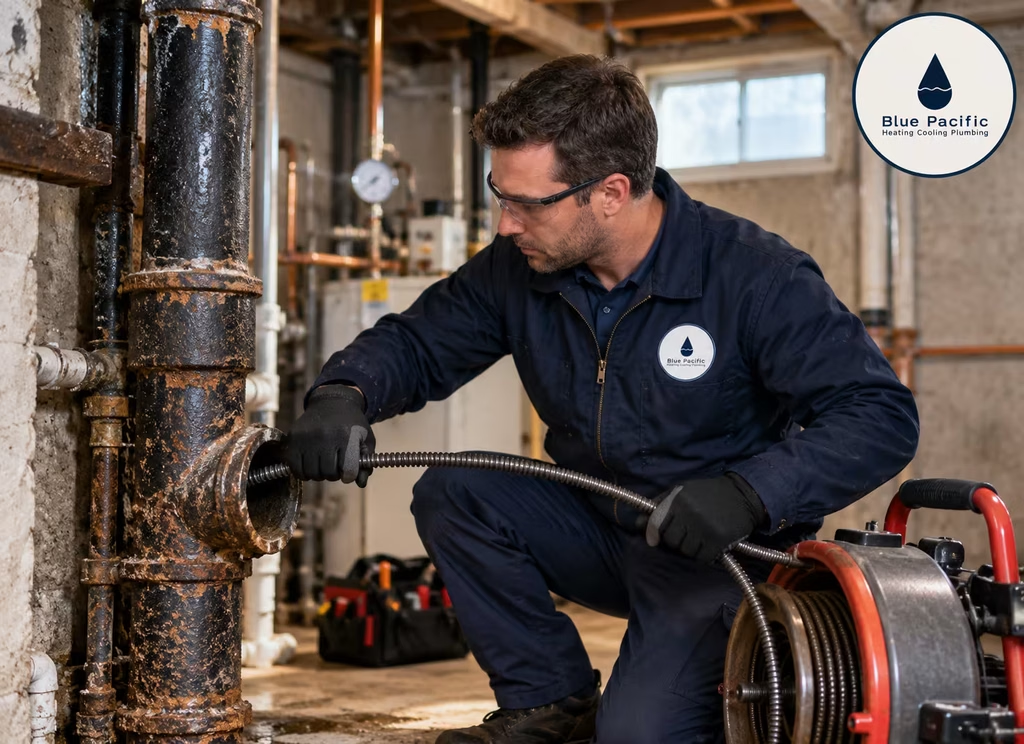
Cast iron has a lengthy history in older homes. It generally outlives the home around it. Still the internal wall gets rough with the years. Rust and mineral scale accumulate and hair and grease cling to every bump.
We either employ a smaller head on cast iron or work at a slow pace and meticulously rotate the cable. We refrain from performing forceful spinning in a single location as this can cause the wall to be damaged and create a new location for the next clog to form.
| Pro tip: Arrange a camera inspection if blockages reappear within a few months of snaking a cast iron line. A sagging section that requires attention is regularly indicated by repeat clogs. |
Can Hydro Jetting Damage Pipes?
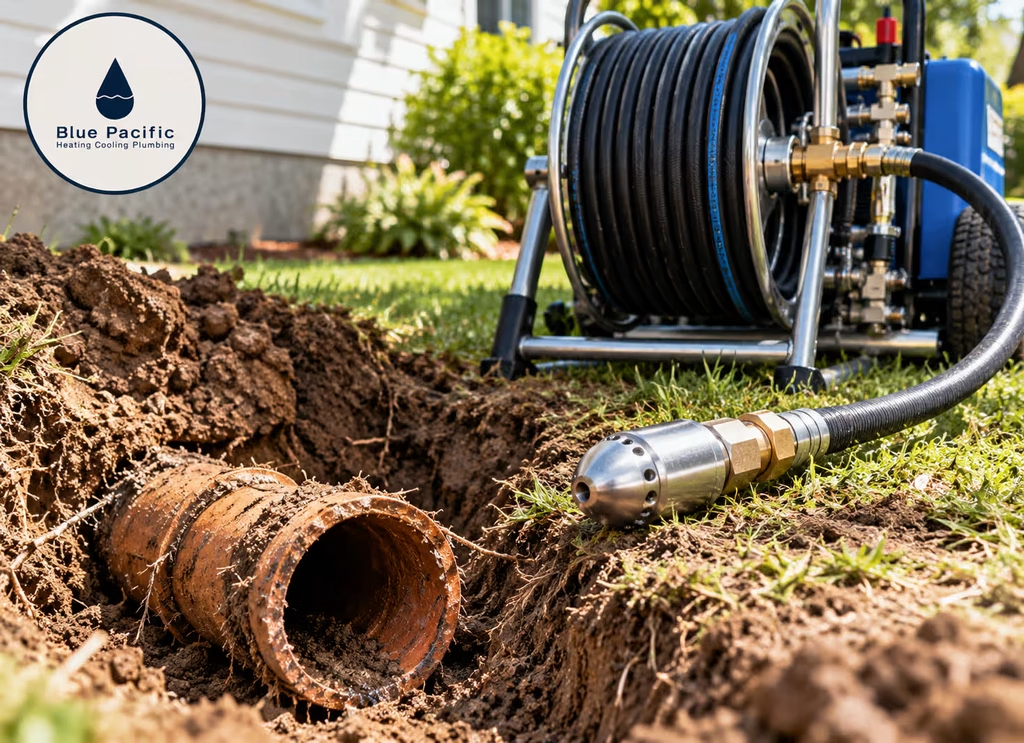
It can when the pressure runs too strong. The walls are cleaned by a hydro jetting machine which propels water through the line at a high velocity. It is highly effective when applied to durable pipelines. On weak pipes then the same force can crack seams or peel away old lining.
The good news is that jetting is very adjustable. The risk comes from skipping the setup and not from the method itself.
Most homeowners also asked the question: Is Hydro Jetting Safe for Old Pipes? So the answer is: it can be safe with the right setup. Older lines need lower pressure and a nozzle that spreads water across the wall. A nozzle that concentrates all the force on one point can drill straight through a thin section.
Jetting Pressure and Pipe Damage
Pressure is the biggest variable in any jetting job. Many homeowners assume more pressure means a better clean. In practice the best result comes from the lowest setting that still breaks up the buildup.
We maintain constant caution over the gauge. We reduce pressure without delay and reassess as soon as we detect any strain on the line. Although it takes a little longer and a more cautious procedure guarantees that the pipe stays intact.
Snaking VS Jetting: Which Is Safer?
There is a place for both approaches. The following table provides a comparison of how they perform on older lines.
| Factor | Drain Snaking | Hydro Jetting |
|---|---|---|
| Best use | Single clogs from hair and paper or small debris | Grease scale and heavy wall buildup |
| Force on the pipe | Contact from a steel cable | Pressurized water spread along the wall |
| Risk on weak or cracked pipes | Low when the cable size matches the line | Higher if the pressure setting is too strong |
| Common use on clay and cast iron | Frequent and generally gentle | Used only at reduced pressure |
| Cleaning reach | Clears the blockage at one point | Cleans the full run of pipe wall |
| Typical follow up | Camera check if clogs return | Camera check before and after the job |
Snaking works well for one stubborn clog. Jetting makes more sense when the whole line needs scrubbing. We usually start with the gentler option for old pipes and move up only when the line can handle it.
Drain Cleaning Old Pipes by Material
This method is determined by the material of the pipe. Almost any implement can be handled without complaint by modern plastic. We will assess the condition of the subfloor before contacting any older metal or clay.
If you want the material tested at the cleanout or some other visible part of the pipe then call a plumber. That single step changes how we approach the whole job.
Clay Pipe Drain Cleaning
Clay pipes were common in older neighborhoods. They come in short sections joined at seams and those seams can crack or shift as the ground moves.
Clay doesn’t flex. A rigid cable or high pressure can split a weak joint in seconds. We keep pressure low and choose flexible heads that won’t catch on rough edges. If the camera reveals cracks then we tell you before we push any further.
Galvanized Pipe Drain Cleaning
Galvanized steel was a standard choice for decades. Its protective coating wears away from the inside over time. Flakes can break loose and jam a drain sometimes within weeks of a cleaning.
Gentle snaking helps in the short term. Repeated cleaning can only steal time on a line that is nearly worn through. Sometimes replacing the line is the honest answer and we will say so plainly instead of charging you for another visit.
| Pro tip: Keep a simple note of when each clog happens and which fixture it shows up at. Models support a technician finding a failing section much faster. |
Safe Drain Cleaning for Cape Cod Homes
Cape Cod homes need a slightly different plan. Sandy soil shifts over time. Tree roots push into lines looking for water. Many houses sit empty for months then see heavy use all summer long.
Traps get dried out and lines get grimy from those stop and start patterns. Exposed vent pipes and outside fixtures are subject to additional wear and tear from salt air.
Drain Cleaning for Older Cape Cod Homes
Older homes often hide several problems at once. A slow drain might be the first sign of a sagging section or root growth underground. Understanding the recurring drain clog causes can help identify a bigger plumbing issue before it gets worse.
Our crew checks for those signs before we clean. That way you don’t pay to clear the same blockage three times.
The CDC healthy water page explains why working drains matter for household health. A slow drain that turns into a backup can create sanitation problems quickly so catching it early matters.
Signs Your Old Pipes Need an Inspection First
There are certain symptoms that indicate that it is necessary to take your time and examine the area before cleaning. Be attentive to the following signs:
- Gurgling sounds from a drain after you flush or run water
- Two or more fixtures backing up at the same time
- Wet spots on the floor or ceiling below a bathroom
- A sewer smell that lingers even after cleaning
- Clogs that return within a few weeks
If you notice any of these then call for an inspection before anyone runs a cable or jetting hose through the line. A camera check shows whether the pipe can handle the work.
Talk With Our Crew About Your Old Pipes
You do not need to worry about old pipes. Blue Pacific Cape Cod uses careful, thorough drain cleaning methods to remove obstructions while helping protect the rest of your plumbing system from unnecessary damage.
We are ready to take a look. Call us at (508) 274-9939 or email BluePacificCapeCod@gmail.com. At Blue Pacific Cape Cod we will explain what we find and what we recommend before any work begins.
Frequently Asked Questions
Can drain cleaning crack an old pipe?
It can but it’s rare when the right method is used. Cracks usually come from high pressure or dull or oversized tools or a pipe that was already weak. A camera check before the job lowers the risk a lot.
How often should old pipes be cleaned?
Older homes are better served with a specialist cleaning once a year. Homes with repeated slow drains may need visits more repeatedly until the root reason is identified and repaired.
Is chemical drain cleaners safe for old pipes?
We don’t recommend them. Harsh chemicals can soften old joints and wear down the lining of cast iron or galvanized pipes. They can also sit in the line and cause trouble for the next technician who opens it.
How long does a drain cleaning visit take?
Simple clogs often clear in under an hour. Older lines and camera work take longer and we’ll give you a time estimate before we begin.
How fast can you reach homes in Falmouth?
We schedule visits around your availability and the urgency of the problem. If you have backups or sewage smells then tell us when you call so we can prioritize your home.
What is the best drain cleaner that won’t harm pipes?
Enzyme-based cleaners are a gentler option for organic buildup. For stubborn clogs, professional drain cleaning is often more effective.
Does drain cleaner harm PVC pipes?
Some chemical cleaners can generate heat and damage PVC pipes or their connections if used incorrectly. Always check the product label.
Is Drano really bad for PVC pipes?
Some Drano products are labeled safe for PVC when used as directed, but misuse can still cause problems. Avoid repeated use for stubborn clogs.
What is the best drain pipe cleaner for PVC pipes?
Enzyme based cleaners labeled safe for PVC are a gentle option. A drain snake or professional cleaning can help remove tougher blockages.
Sources for Further Reading
- U.S. Environmental Protection Agency: This page explains how water systems and home plumbing connect to the quality of the water you use.
- Centers for Disease Control and Prevention: This resource covers water safety and why clean or working household plumbing supports public health.
- Cape Cod Commission. This regional planning agency shares information about water resources and conditions across Cape Cod.