
Successful water heater installation involves shutting off the power or gas supply, draining the existing tank, disconnecting plumbing lines, and positioning a new unit that meets current local building codes. Homeowners must ensure all water connections are leak-free and that the temperature and pressure relief valve has a proper discharge pipe before restoring energy to the unit.
This guide provides a detailed walkthrough for those looking to understand how to replace a water heater safely and efficiently. Proper technique prevents property damage from leaks and ensures the equipment operates at peak efficiency for years. Blue Pacific Cape Cod provides this information based on years of field experience in plumbing and home maintenance to help residents make informed decisions about their mechanical systems.
Essential Preparations for Water Heater Replacement
Before starting the water heater installation steps, gather all necessary tools and verify the specifications of the new unit. Most residential tanks are either gas or electric, and the installation requirements differ significantly between the two. Check the data plate on the old unit to match the gallon capacity and recovery rate if the current system meets the household’s needs.
Standard tools for this task include pipe wrenches, pliers, a tubing cutter, a screwdriver, and a garden hose for draining the tank. Materials such as plumber’s tape, pipe joint compound, and specific connectors like flexible hoses or copper fittings are also required. According to data from Angi, the average professional water heater installation service costs between $800 and $1,700, so a DIY approach can save significant labor costs if performed correctly.
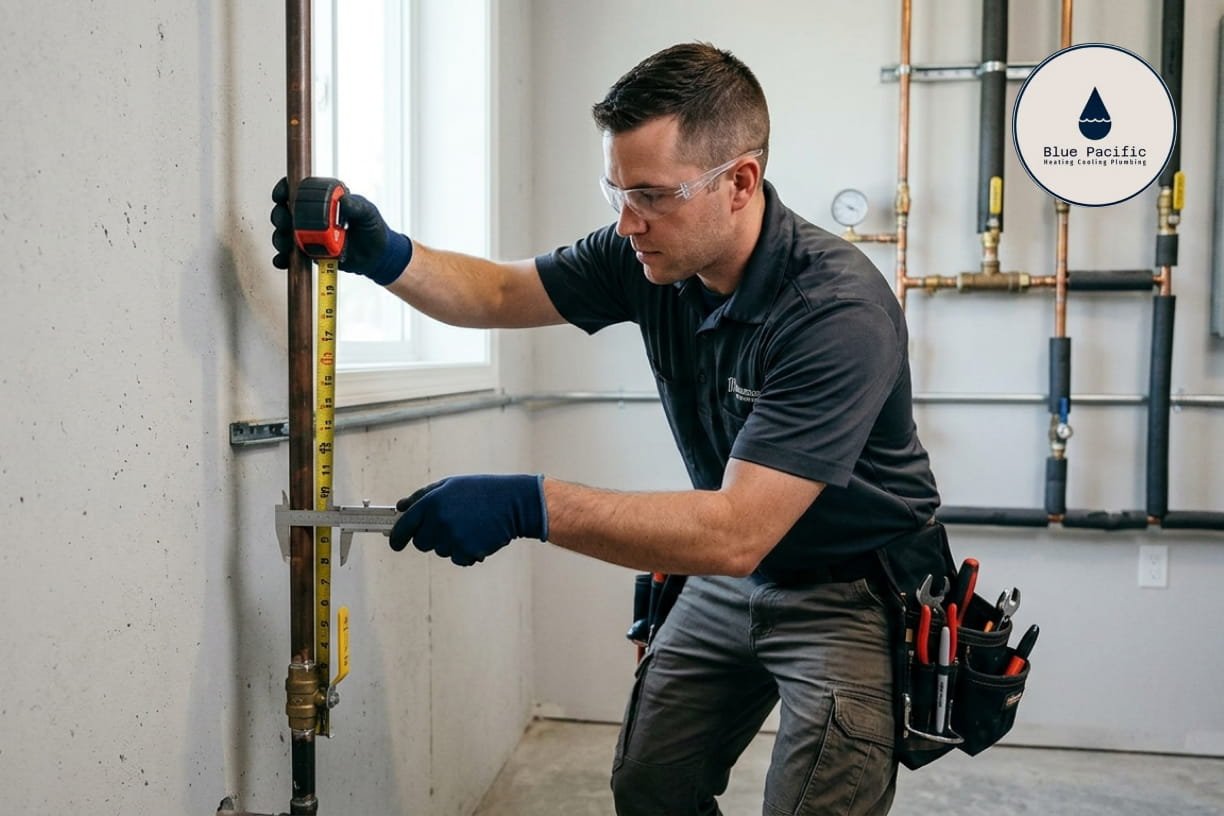
Bonus Tip: Before purchasing a new unit, measure the width and height of the existing space. Modern heaters often have thicker insulation than older models to meet federal efficiency standards, which might make them slightly larger than the unit being replaced.
Steps for Removing the Old Water Heater
Safety is the priority when installing a water heater. For electric models, turn off the dedicated breaker in the main electrical panel. For gas units, turn the control valve to the “off” position and close the manual shut-off valve on the gas supply line.
- Shut Off the Water Supply: Close the cold water inlet valve located above the heater.
- Drain the Tank: Attach a garden hose to the drain valve at the bottom of the tank. Run the other end of the hose to a floor drain or outdoors. Open a hot water faucet elsewhere in the house to allow air into the system, then open the drain valve.
- Disconnect Utilities: Once the tank is empty, use a wrench to disconnect the cold and hot water pipes. For gas units, carefully disconnect the gas line and the vent hood. For electric units, remove the cover plate and disconnect the wiring.
- Remove the Unit: Slide the old heater out of the way. This is an ideal time to inspect the floor for water damage or signs of mold.
Technical Comparison of Installation Requirements
The following table highlights the primary differences between gas and electric systems during a water heater replacement service or DIY project.
| Feature | Electric Water Heater | Gas Water Heater |
| Power Source | 240V Double-pole Breaker | Natural Gas or Liquid Propane |
| Venting Needs | None | Must vent to the exterior |
| Safety Devices | T&P Valve, Electrical Ground | T&P Valve, Gas Shut-off, Vent Hood |
| Common Failure Point | Heating Elements | Pilot Light or Thermocouple |
| Installation Difficulty | Moderate (Electrical Focus) | High (Gas and Venting Focus) |
Positioning and Connecting the New Unit
Place the new heater in a drain pan if the unit is located in a finished area or on an upper floor. This prevents water damage in the event of a future leak. Center the heater so there is enough clearance for future maintenance and to meet local fire codes.
Begin by installing the new temperature and pressure (T&P) relief valve. This is a vital safety device that prevents the tank from exploding if internal pressure becomes too high. Never reuse the old T&P valve from the previous unit. Thread the valve into the tank using plumber’s tape on the threads. Attach a discharge pipe that extends to within six inches of the floor.
Connect the water lines using either flexible connectors or by soldering copper pipe. Most experts recommend using dielectric unions if connecting dissimilar metals to prevent galvanic corrosion. According to the International Association of Certified Home Inspectors, corrosion is a leading cause of premature tank failure, so proper fittings are necessary for longevity.
Finalizing Gas and Electrical Connections
For a gas water heater, reconnect the vent hood to the draft diverter and secure it with sheet metal screws. Reattach the gas line using a new flexible gas connector and apply pipe dope to the threaded connections. Check for gas leaks by brushing a mixture of soap and water over the joints. If bubbles form, tighten the connection and test again.
For electric models, thread the electrical cable through the connector on the top of the tank. Connect the wires (typically black to black and red to red, or black and white to the hot leads in a 240V system) and secure the ground wire to the green screw. Replace the junction box cover.
Bonus Tip: Use a vacuum to clear any dust or debris from the burner chamber of a gas unit before lighting the pilot. A clean combustion area ensures a more efficient flame and prevents soot buildup.
Filling the Tank and Testing
The most common mistake in DIY water heater installation is turning on the power before the tank is full. This causes “dry firing,” which destroys the upper heating element in seconds.
To fill the tank, turn on the cold water supply valve. Keep a hot water faucet open in the house. Initially, air will sputter out of the faucet. Once a steady stream of water flows without air pockets, the tank is full. Only then should the gas be turned on or the electrical breaker flipped.
Things to Consider Before Making a Decision
Before deciding whether to perform a DIY water heater installation or hire a professional water heater installation service, homeowners should evaluate several factors.
- Permit Requirements: Many municipalities require a plumbing permit and a post-installation inspection to ensure the work meets safety standards.
- Physical Demand: A full 40-gallon or 50-gallon water heater is heavy and difficult to maneuver in tight spaces like basements or closets.
- Warranty Issues: Some manufacturers only honor warranties if the unit is installed by a licensed professional.
- Code Compliance: Modern codes often require an expansion tank if the home has a closed-loop plumbing system.
The U.S. Department of Energy notes that water heating is the second largest energy expense in most homes, accounting for roughly 18% of utility bills. Selecting an Energy Star certified model during a water heater replacement service can lead to long-term savings that offset the initial purchase price.
Common Questions About Installation
Can I switch from an electric to a gas water heater? This is possible but requires significant modifications. A gas line must be run to the location, and a venting system must be installed through the roof or a side wall. This usually requires a professional water heater installation service to ensure gas safety.
How long does it take to replace a water heater? A standard replacement usually takes between two and four hours. This includes the time needed to drain the old tank, which can take 30 to 60 minutes depending on the amount of sediment inside.
Do I need an expansion tank? If the plumbing system has a backflow preventer or a pressure-reducing valve, an expansion tank is usually required. This small tank absorbs the extra pressure created when water expands as it heats up, protecting the main tank from stress.
Troubleshooting and Maintenance FAQ
How can I tell if my water heater is failing?
Look for rusty water, knocking sounds from the tank, or moisture around the base. If the unit is more than 10 years old, these signs often indicate that the internal lining has corroded and a replacement is necessary soon.
What is the purpose of the anode rod?
The anode rod is a sacrificial metal rod that attracts corrosive elements in the water, protecting the steel tank from rusting. Checking and replacing the anode rod every three to five years can double the lifespan of the heater.
Why is my new water heater making a high-pitched noise?
This often happens in electric units when the heating elements have a buildup of scale or if the water pressure is too high. Check the pressure at the main entry point to ensure it is below 80 PSI.
Is a tankless water heater better than a tank model?
Tankless units provide endless hot water and take up less space but have a much higher upfront cost and more complex installation requirements. A standard tank is usually more cost-effective for households with lower hot water demands.
Practical Advice for Homeowners
Installing a water heater requires a balance of plumbing, electrical, and sometimes gas-fitting skills. While many homeowners successfully complete a DIY water heater installation, safety must remain the top priority. Always double-check connections for leaks and verify that the venting system is drawing exhaust gases correctly. If any part of the process feels uncertain, especially regarding gas lines or high-voltage wiring, consulting a professional ensures the system is safe for the household. Regular maintenance, such as flushing the tank annually to remove sediment, will keep the new unit running efficiently and extend its service life.
Professional Water Heater Support
Blue Pacific Cape Cod offers expertise for those needing assistance with mechanical systems or home maintenance. For guidance on water heater replacement service or to discuss specific installation needs, contact Blue Pacific Cape Cod at (508) 274-9939 or via email at BluePacificCapeCod@gmail.com. Reliable hot water is essential for home comfort, and professional support ensures every installation meets the highest safety standards.
Sources
- Department of Energy – Official guide on energy-efficient water heater installation and maintenance protocols.
- Angi – Comprehensive market data regarding the costs of professional plumbing services and unit replacement.
- International Association of Certified Home Inspectors – Technical resource for identifying water heater age and common failure points in residential systems.