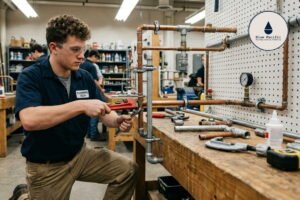

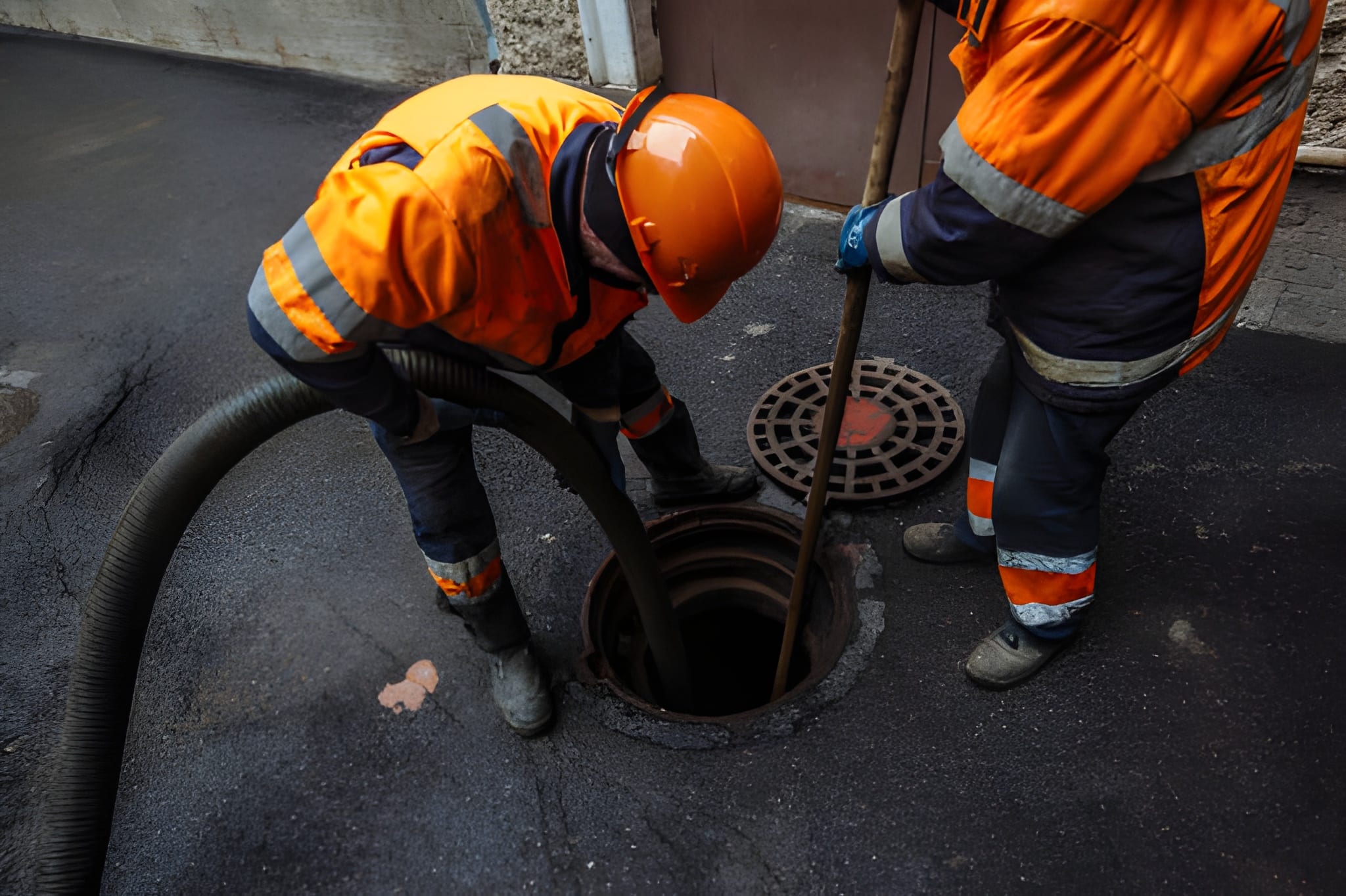
Plumbing services are essential for every home. They keep water systems safe, reliable, and efficient. A plumbing system supplies clean water, removes waste, and regulates pressure. According to Wikipedia, plumbing “uses pipes, valves, plumbing fixtures, tanks, and other apparatuses to convey fluids” and is considered “critical to public health and sanitation.” Skilled plumbers install, maintain, and repair the pipes, fixtures, and fittings that make this possible.
What Are Plumbing Services and Why Do They Matter
Plumbing services refer to the professional installation, repair, maintenance, and inspection of water supply, drainage, and waste systems in a property. These systems include fresh water lines, hot-water heaters, waste pipes, drainage systems, fixtures, and ventilation. Skilled plumbers ensure that water flows safely and efficiently, backflow is prevented, waste is disposed of correctly, and necessary codes are met.
Proper plumbing service matters because:
- It protects water quality and prevents contamination in your home.
- It prevents structural damage and water loss due to leaks or poor drainage.
- It helps you save money by preventing bigger problems and reducing utility bills.
- It ensures compliance with codes that safeguard health and safety.
Because a home’s plumbing system is hidden behind walls or beneath the floor, many users overlook maintenance until a serious failure occurs. By understanding what plumbing services include and how they operate, homeowners can make educated decisions and avoid costly surprises.
Key Regulations, Standards, and Codes That Govern Plumbing Services
Plumbing work is subject to rigorous regulations and codes to ensure safety, health, and efficiency. Below are critical ones homeowners should know:
Lead‐Free Plumbing Materials
Under the Reduction of Lead in Drinking Water Act (amendment to the Safe Drinking Water Act) and enforced by the United States Environmental Protection Agency (EPA), any plumbing fixtures, solder, and flux used for potable water must be “lead-free”. This rule defines lead-free as a weighted average of 0.25 % lead across wetted surfaces, and 0.2 % lead for solder and flux. Compliance with these regulations protects human health from lead contamination.
Model Plumbing Codes
Model codes such as the International Plumbing Code (IPC) and the Uniform Plumbing Code (UPC) provide minimum standards for plumbing installations covering water supply, drainage, venting, and fixtures. The IPC is adopted in many jurisdictions. These codes support safe installations and protect the public by ensuring systems are designed properly. The EPA also describes how building codes and voluntary standards impact water systems.
Efficiency and Water Use Standards
The EPA’s WaterSense program and federal guidance set standards for efficient plumbing fixtures. For example, federal plumbing fixture guidelines require a maximum flow rate of 0.5 gallons per minute (gpm) for public lavatory faucets and 0.25 gallons per cycle for metered faucets. These regulations help conserve water, reduce waste, and lower utility costs.
Historical Plumbing Access
According to data from the United States Census Bureau, in 1990, only 1 % of homes lacked complete plumbing facilities (i.e., piped hot & cold water, bath/shower, and flush toilet). In 1940, nearly half of homes lacked such facilities. This highlights how far plumbing infrastructure has come, and how important professional plumbing services remain today.
These regulatory pillars confirm that plumbing services are not just about fixing leaks but about meeting legal, health, and efficiency standards.
The State of the Plumbing Industry – Facts & Figures
Understanding the industry scale gives homeowners insight into how widespread and important plumbing services are. Here are several reliable statistics:
- According to the Bureau of Labor Statistics (BLS), employment for plumbers, pipefitters, and steamfitters is about 504,500 jobs as of 2024. The median annual wage was $62,970.
- The U.S. plumbing sector is estimated to be valued at around $169.8 billion in 2025.
- The plumbing manufacturing industry alone generated a direct economic impact of $47.7 billion, accounting for 208,283 jobs and $13.2 billion in wages. When adding supplier and employee spending, the total impact reaches about $116.7 billion.
- Industry growth is projected: the plumbing and pipe-fitting industries are expected to grow by approximately 8.48 % over the next eight years.
These statistics reflect a stable and essential industry segment. For homeowners, this means that professional plumbing services are supported by a broad, skilled workforce and backed by serious economic scale.

Common Plumbing Problems Homeowners Face
Even well-maintained homes can face plumbing problems. Recognizing common issues helps homeowners act early and avoid costly repairs.
Leaks and Drips
Leaky pipes, dripping faucets, or loose fittings may seem minor, but they waste significant water, increase bills, and can damage walls or floors. Detecting leaks early is key.
Clogged Drains and Sewer Lines
Hair, grease, food particles, or foreign objects can clog drains. Long-term, root intrusion or damaged sewer pipe joints can cause major issues and backups.
Water Heater Failures
Water heaters age and develop issues such as sediment buildup, corroded tanks, malfunctioning elements, or valves. A broken heater affects the hot-water supply and may cause flooding.
Poor Water Pressure or Flow
Low pressure can result from blocked supply lines, faulty pressure regulators, or incorrect pipe sizes. Conversely, excessively high pressure can stress the system and fixtures.
Old or Unsafe Materials
Older homes may have outdated materials or components, such as lead pipes or faulty fixtures. The lead-free plumbing materials rule discussed earlier is relevant here. Plumbing services can ensure safe materials are in use.
Back-flow and Contamination Risks
If back-flow prevention is not properly installed, contaminated water can re-enter the clean supply. Proper inspection of valves is essential for health protection.
Insufficient or Inefficient Fixture Performance
Outdated fixtures might not comply with modern efficiency standards and could waste water or energy. Homeowners may feel the impact on utility bills and their environmental footprint.
Understanding these issues allows homeowners to plan maintenance and address problems before they grow bigger.
How to Maintain Your Plumbing to Avoid Emergencies
Regular maintenance and proactive care are vital for prolonging system life and avoiding emergencies. Here are the best practices homeowners should follow:
Inspect Regularly
Schedule a yearly inspection by a qualified plumber. They can check for hidden leaks, corrosion, pipe wear, or drainage issues. Early detection saves money.
Monitor Water Usage and Bills
Unexpected increases in water bills often signal hidden leaks or inefficient fixtures. Compare month-to-month and follow up if there is a jump.
Replace Fixtures and Components When Needed
Faucets, showerheads, valves, pressure regulators, and water heaters wear out. Upgrading to water-efficient models not only improves performance but can lower bills.
Remove Sediment from Water Heaters
Sediment build-up reduces efficiency and shortens heater lifespan. Draining and flushing heaters annually improves performance.
Maintain Drain Lines
Avoid pouring grease or oil down kitchen drains. Use strainers in showers and sinks. Periodically, have a plumber perform a drain-line clearing service.
Protect Pipes from Freezing
In cold climates, insulating exposed pipes and maintaining heat in crawl spaces prevents burst pipes. A burst pipe is one of the most destructive plumbing failures.
Check Water Pressure
Normal residential water pressure typically ranges between 40-60 psi. If higher, install a pressure regulator; if lower, investigate causes. High pressure can cause stress on plumbing fixtures and lead to leaks.
Ensure Proper Venting
Vent stacks and air intake openings must be clear so drainage flows smoothly and prevents gases from entering living spaces. A plumber can inspect venting systems.
By keeping these maintenance steps in mind, homeowners reduce the risk of major failures and extend the life of the plumbing system.
What to Expect When You Call a Plumbing Service
Hiring a professional plumbing service involves several steps. Knowing what to expect helps you prepare and evaluate providers.
Initial Contact and Assessment
You call the plumbing service, describing your issue, leak, low pressure, new installation, etc. The service schedules a visit and may ask for details on the problem.
On-site Diagnostic
The plumber arrives, listens to your description, inspects relevant areas (pipes, fixtures, valves), tests water pressure, checks drainage, and may use cameras for sewer lines.
Explanation of Findings and Options
After diagnosis, you receive a clear explanation of what is wrong, why it occurred, what the options are, the time frame, and the estimated cost. A professional plumber should explain which code, standard or regulation applies if relevant (for example, lead-free materials) and provide transparent estimates.
Repair or Installation Work
Once you approve the work, the plumber schedules or performs the repair or upgrade. They follow standard practices, use certified materials, and may coordinate with building code inspectors if needed.
Testing and Verification
After the work is done, the plumber tests the system, checks for leaks, and confirms proper drainage and fixture performance. They may give you instructions on how to use new fixtures or monitor the system.
Documentation and Follow-up
Reliable services provide documentation of the work done, materials used, maintenance tips, and warranty information. They may schedule follow-up visits or remind you of maintenance tasks.
This process helps ensure that plumbing work is transparent, code-compliant, and executed to professional standards.
How to Choose a Reliable Plumbing Service
Choosing the right plumbing professional makes a big difference in outcome and cost. Here are the criteria to use:
Licensing and Certification
Ensure the plumber or plumbing firm has the appropriate licenses and certifications in your jurisdiction. Licensing demonstrates compliance with training and regulatory standards.
Experience and Reputation
Look for companies with solid experience, positive reviews, and referrals. Ask for examples of previous work similar to yours (e.g., repiping, drain-line replacement, fixture upgrades).
Code Knowledge
The plumber should be familiar with model codes and local regulations (for example, the fact that IPC or UPC may govern installations in your area) and able to ensure compliance. Without code awareness, you may face compliance risks or rework.
Transparent Pricing and Estimates
A reliable plumber provides a detailed estimate that lists labor, materials, time frame, warranty, and any follow-up costs. Be cautious of overly low bids that omit essential work.
Professional Equipment and Materials
Look for professionals using quality tools, proper materials (lead-free certified, modern piping such as PEX or copper), and demonstrating good housekeeping habits during work.
Insurance and Guarantees
Ensure the plumbing service carries liability insurance to protect your property. Also, check warranties on work performed and materials used.
Communication and Clean Work Style
A professional plumber listens, explains clearly, cleans up after work, and provides maintenance tips. Good communication ensures you’re not left in the dark.
By using these criteria, you increase the chance that your plumbing service will deliver long-term value and prevent future problems.
Upgrades, Efficiency, and the Future of Plumbing Services
Modern plumbing services are evolving to meet efficiency, sustainability, and technology trends. Here are key upgrade areas homeowners should consider:
Water-Saving Fixtures and Devices
Newer low-flow faucets, showerheads, dual-flush toilets, and efficient hot-water systems reduce water and energy use. Federal standards (for example, in the WaterSense program) guide these fixtures.
Smart Plumbing and Leak Detection
Sensors that detect leaks, shut-off valves triggered by water flow anomalies, and smart monitoring systems are becoming more common. These technologies help catch issues before they lead to damage.
Repiping and Modern Materials
Homes with aging plumbing may benefit from repiping using modern materials such as PEX, which offer flexibility, freeze resistance, and lower failure rates. Upgrading the system improves performance and reduces future risk.
Hot-Water Delivery Efficiency
According to an EPA guide, inefficient hot-water distribution systems waste an average of 3,650 gallons of water per year waiting for hot water to arrive. Modern systems reduce wait time and energy use.
Environmental and Regulatory Drivers
Growing attention to water conservation, infrastructure resilience, and replacement of lead pipes means plumbing services will continue to adapt. The plumbing industry outlook for 2025 points to increased demand for energy-efficient systems and sustainable installations.
These upgrades make plumbing services more than reactive repairs; they help make water systems smarter, safer, and more efficient.
Cost Considerations and What Drives Pricing
Understanding how plumbing services are priced helps you manage expectations and avoid surprises.
Factors That Influence Cost
- Scope of work: A simple faucet replacement costs much less than full re-piping of a home.
- Materials and complexity: High-end fixtures, new piping materials, or systems hidden behind finishes raise cost.
- Access and labour: Hard-to-reach pipes, multiple stories or concrete slabs increase labour time.
- Code compliance and permits: If a job triggers inspections, permit fees or code upgrades, cost increases.
- Emergency vs scheduled work: After-hours or urgent services carry higher rates.
- Upgrades and efficiency features: Smart systems or leak detection add cost but also value.
Typical Service Costs
While prices vary widely by region and complexity, industry sources provide ballpark figures:
- Re-piping a home can cost thousands of dollars.
- Sewer line replacement ranges from about $1,600 to $7,200 in many cases.
- Average water-heater replacement costs around $1,300.
These figures give a sense of scale, but always request a detailed estimate from your service provider.

Return on Investment
Upgrading plumbing to efficient systems, replacing old materials, or proactively maintaining can save you money over the long term. Lower water bills, fewer repairs, and higher property value result. In fact, well-maintained plumbing protects against major damage costs far exceeding routine service.
When to Call a Professional Plumber Immediately
Some situations demand immediate attention from a professional plumbing service. If you experience any of the following, schedule service without delay:
- A burst pipe or major leak is flooding part of the home.
- Sewage backup into a fixture or basement.
- No hot water for an extended period, or the water heater appears to be leaking.
- Water discoloration or a strong metallic taste could indicate pipe corrosion or lead contamination.
- Persistent low or high pressure not resolved by simple fixes.
- Frozen pipe or pipe damage due to freezing, especially when still cold outside.
- Installation of a new addition or renovation that requires plumbing system changes.
Delaying in these cases increases the risk of property damage, health hazards, or inflated repair costs.
Key Plumbing Services Every Home Needs
Professional plumbing services cover several critical areas. Each one helps keep water systems running smoothly.
1. Installation and Replacement
A plumber installs water supply lines, drainage pipes, faucets, sinks, toilets, and water heaters. They ensure every fixture meets. The law limits lead content to protect drinking water.
When older pipes or fixtures corrode, plumbers replace them with safe, efficient materials such as copper or PEX. Replacement reduces leaks and improves water flow.
2. Repairs and Emergency Services
Leaks, clogs, or burst pipes can occur unexpectedly. Professional plumbers respond quickly to prevent property damage. They use diagnostic tools, such as pipe cameras, to locate hidden issues. Immediate repair saves money and protects walls, flooring, and foundations.
3. Preventive Maintenance
Routine inspection and cleaning help prevent future problems. Plumbers check valves, joints, water heaters, and drains for early signs of wear. Preventive maintenance is often more affordable than emergency repairs and increases system lifespan.
4. Water Heater Services
Hot water systems need regular care. Sediment buildup can reduce efficiency and water quality. Flushing the heater and replacing faulty valves prevents energy waste. According to the U.S. Department of Energy, water heating accounts for about 18% of household energy use. Efficient systems reduce both energy and water bills.
5. Drain and Sewer Cleaning
Slow drains and backups are common household issues. Plumbers use mechanical and hydro-jet cleaning methods to clear debris and restore flow. Regular cleaning also helps prevent foul odors and costly sewer line blockages.
Regulations and Standards That Protect Homeowners
Plumbing work follows strict federal and model code requirements. These standards safeguard health, water quality, and building safety.
Lead-Free Plumbing Standards
Under the Safe Drinking Water Act, lead in plumbing materials must not exceed 0.25% of wetted surfaces. This federal rule ensures clean drinking water and prevents lead poisoning risks.
Model Plumbing Codes
The International Plumbing Code (IPC) and the Uniform Plumbing Code (UPC) define how water systems are designed and installed. These codes cover drainage, ventilation, and water supply. They ensure plumbing systems meet safety and performance standards.
Water Efficiency Standards
The EPA WaterSense program promotes efficient fixtures such as toilets, faucets, and showerheads. WaterSense-labeled products use at least 20% less water than standard models without sacrificing performance. Using efficient fixtures can save thousands of gallons of water every year.
These laws and standards make professional plumbing services an investment in safety and efficiency.
Common Plumbing Problems and Their Solutions
Even modern homes face plumbing issues. Understanding common problems helps homeowners know when to call a plumber.
- Leaky Faucets and Pipes: Constant dripping wastes water and raises bills. Replacing washers, seals, or valves usually solves the problem.
- Clogged Drains: Hair, grease, or debris block pipes. Professional cleaning removes buildup and prevents future clogs.
- Low Water Pressure: Sediment or leaks can reduce pressure. Inspecting pipes and fixtures helps restore normal flow.
- Running Toilets: Faulty flappers or valves can waste hundreds of gallons daily. Simple replacements often fix the issue.
- Water Heater Problems: Cold or inconsistent water temperature signals sediment buildup or heating element failure. Regular maintenance prevents this.
According to the U.S Geological Survey (USGS), a single leaky faucet dripping once per second wastes more than 3,000 gallons of water per year. Addressing leaks quickly protects both the environment and your wallet.
Maintaining Plumbing Systems for Long-Term Reliability
Homeowners can take steps to keep plumbing systems in good condition.
- Schedule yearly professional inspections.
- Drain and flush water heaters to remove sediment.
- Avoid pouring grease or harsh chemicals down drains.
- Insulate exposed pipes to prevent freezing.
- Check water pressure regularly using a gauge.
These small actions reduce the risk of leaks, corrosion, and costly breakdowns. They also extend the lifespan of the plumbing system.
Improving Water Efficiency and Quality
Plumbing services can enhance both water quality and efficiency. Plumbers install filtration systems that remove contaminants such as chlorine, iron, or sediments. This improves taste and protects appliances from buildup.
Installing WaterSense-certified fixtures helps conserve water without reducing comfort. Low-flow faucets and dual-flush toilets maintain strong performance while saving thousands of gallons per year.
Homeowners can also add automatic leak detection devices. These smart sensors shut off the water supply when unusual flow patterns appear, preventing serious damage.
Cost Factors in Plumbing Services
Plumbing service costs depend on the type of work, materials, and labor. Minor repairs may cost little, while major replacements or installations can be more expensive. Using certified materials and licensed professionals ensures long-term reliability and code compliance.
According to the, plumbers earn a median annual wage of about $62,000. This reflects the high skill and responsibility involved in maintaining safe water systems.
Investing in regular maintenance often costs less than waiting for a major failure. Preventive plumbing care can reduce utility bills and protect home value.
Your Next Step for a Reliable Water System
Your home’s plumbing deserves professional care and attention. A qualified plumber ensures your system stays efficient, safe, and compliant with federal standards. Regular service prevents leaks, saves water, and protects your home from costly damage.
If you notice unusual sounds, slow drains, or changing water pressure, schedule a professional inspection today. Clean water and steady flow start with a trusted plumbing service.
Take action now to keep your home water systems running at their best.