

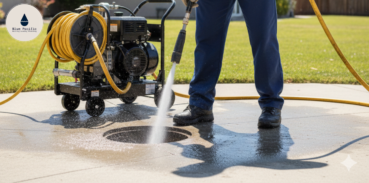
Plumbing services focus on the entire system of pipes, valves, and fixtures that bring water into a building and remove waste. This trade involves the installation, repair, and maintenance of water heaters, gas lines, and sewage systems. Drain cleaning is a specific subset of maintenance that targets the removal of debris and clogs from the waste lines to ensure water flows freely. While a plumber often handles drain cleaning, a dedicated drain cleaner might not possess the licensing or equipment required to repair a broken pipe or install a new bathroom vanity.
Distinguishing between these two services helps property owners save time and money by calling the right professional for the specific problem at hand. Blue Pacific Cape Cod brings deep industry knowledge to help residents understand these technical differences. Proper identification of a household issue prevents minor clogs from turning into expensive structural repairs.
Primary Functions of General Plumbing
General plumbing encompasses the infrastructure of a property. A licensed professional in this field works with both pressurized water lines and gravity-fed waste systems. Their work starts where the city water main or well meets the house and ends where the waste enters the sewer or septic tank.
Plumbers install and fix hardware like sinks, toilets, and showers. They also manage the hidden components of a home, such as the network of copper or PEX pipes behind walls. When a pipe bursts or a water heater leaks, a plumber is the correct professional to call. They understand the physics of water pressure and the safety requirements for gas line connections.
The scope of work also includes backflow prevention and sump pump maintenance. These systems protect the home from water damage and contamination. According to a report from Angi, the average cost for general plumbing repairs varies significantly based on the length of the job and the materials needed. This reflects the broad nature of the trade, which can range from fixing a small leak to repiping an entire house.
Specific Focus of Drain Cleaning
Drain cleaning is a targeted service designed to restore the flow of waste pipes. Over time, hair, grease, soap scum, and food particles accumulate on the interior walls of pipes. This buildup narrows the passage, leading to slow drains or total blockages. Drain cleaning professionals use specialized tools to scrub these pipes clean without damaging the plumbing material.
This service is often preventative. Regular cleaning removes small deposits before they harden into impenetrable obstructions. Preventative drain maintenance helps homeowners extend the life of their plumbing system and avoid costly repairs caused by long-term buildup.
Data provided by HomeAdvisor indicates that most homeowners spend between $150 and $350 for professional drain cleaning. This specialized service is usually faster than major plumbing repairs because it does not involve cutting into walls or replacing hardware.
Technical Tool Comparison
The tools used in each service define the difference in their approach. Plumbers carry a wide array of wrenches, pipe cutters, and soldering torches. Their goal is to join materials together to create a leak-proof system. They use pressure gauges to test for leaks in gas and water lines.
Drain cleaners use an entirely different set of equipment. Their primary tools include motorized augers, also known as snakes, which physically break apart clogs. They also use hydro-jetting machines. These devices blast water at extremely high pressure to strip grease and scale from the pipe walls.
One of the most important tools in modern drain work is the waterproof camera. Technicians feed these cameras into the lines to see the exact cause of a blockage. This allows them to identify tree roots or collapsed pipes that a simple snake cannot fix.
| Service Feature | General Plumbing | Drain Cleaning |
|---|---|---|
| Primary Goal | System integrity and installation | Restoring pipe flow |
| Common Tools | Wrenches, torches, pipe cutters | Snakes, hydro-jets, cameras |
| System Focus | Water supply, gas, and waste | Waste and sewer lines only |
| Key Tasks | Fixing leaks, installing fixtures | Removing clogs and buildup |
| Emergency Type | Burst pipes, no water, gas leaks | Backed-up toilets, slow sinks |
Market Data and Industry Standards
The plumbing and drain industry operates under strict safety codes. A study by IBISWorld shows that the demand for these services remains steady because water infrastructure is a basic necessity. However, the study also notes that specialized maintenance services, like drain cleaning, are growing as homeowners seek to extend the lifespan of their existing pipes. Parallel to this growth is an industry-wide shift toward environmentally friendly methods. Professional drain cleaning has shifted away from harsh acids toward hydro-jetting and biological cleaners. This change helps preserve the integrity of the plumbing system while protecting the local groundwater.
Things to Consider Before Making a Decision
Before calling for help, evaluate the symptoms of the problem. A single slow sink usually requires a drain cleaning service. However, if multiple fixtures are backing up or if there is water leaking from a ceiling, a plumber is necessary. Paying attention to unusual auditory cues can also provide valuable information about the system’s state.
Consider the age of the pipes. Older homes with cast iron or clay pipes are prone to structural failure. In these cases, a drain cleaner might find a blockage, but a plumber will be needed to replace the broken section of the pipe. If the issue involves a gas appliance or a water heater, always contact a licensed plumber.
Bonus Tip: Listen for gurgling sounds coming from the toilet when the sink is running. This often indicates a blockage in the main vent stack or sewer line, which requires professional diagnostic equipment rather than a simple plunger.
Common Questions About Pipe Maintenance
Many homeowners wonder if they can handle these tasks themselves. While a plunger works for minor toilet clogs, it cannot reach deep blockages in the main line. Similarly, changing a faucet might seem simple, but an incorrect installation can lead to hidden water damage.
Another frequent question concerns the frequency of service. For most residential properties, a professional drain cleaning every two years prevents major backups. Homes with old trees or large families might need more frequent attention.
Bonus Tip: Avoid using “flushable” wipes. Despite the labeling, these items do not break down like toilet paper and are a leading cause of sewer line obstructions.
Frequent Inquiries Regarding Services
Can a drain cleaner fix a leaking pipe?
Generally, no. A drain cleaning specialist focuses on removing obstructions. If the pipe is physically cracked or leaking, a plumber must cut out the damaged section and install new piping.
Why is hydro-jetting better than snaking?
Snaking creates a hole through a clog to restore flow, but it often leaves debris behind on the pipe walls. Hydro-jetting cleans the entire circumference of the pipe, removing grease and scale that a snake cannot reach.
Is a license required for drain cleaning?
Requirements vary by state, but most plumbing repairs require a master or journeyman license. Some jurisdictions allow technicians to perform drain cleaning under a general contractor license, though hiring a licensed plumber ensures the technician understands the whole system.
How do I know if my sewer line is broken?
Persistent clogs, foul odors in the yard, or patches of unusually green grass over the sewer line are common signs. A camera inspection is the most effective way to confirm a break.
Evaluating Long Term Pipe Health
Choosing the right service depends on whether the goal is to fix a broken part or clear a path for waste. General plumbing keeps the water running and the gas flowing safely. Drain cleaning ensures that once water is used, it leaves the house without incident.
Homeowners should monitor their systems for changes in pressure or drainage speed. Addressing a slow drain early prevents the pressure buildup that can lead to a burst pipe. Evaluate the specific symptoms of the home and choose a professional based on the complexity of the required repair. Maintaining a relationship with a versatile provider like Blue Pacific Cape Cod ensures that both the infrastructure and the flow of the home remain in top condition.
Contact Information
For those living in the Cape Cod area, professional assistance is available for both plumbing repairs and drain maintenance. Blue Pacific Cape Cod provides expert solutions for residential and commercial water systems. To discuss a specific issue or schedule a system evaluation, call (508) 274-9939. Inquiries can also be sent via email to BluePacificCapeCod@gmail.com for non-emergency questions or service requests.
Sources
- Angi – A resource for average costs of plumbing repairs and service expectations.
- HomeAdvisor – A guide to the typical pricing and scope of professional drain cleaning services.
IBISWorld – An industry research report detailing the economic trends and service distributions in the plumbing sector.