

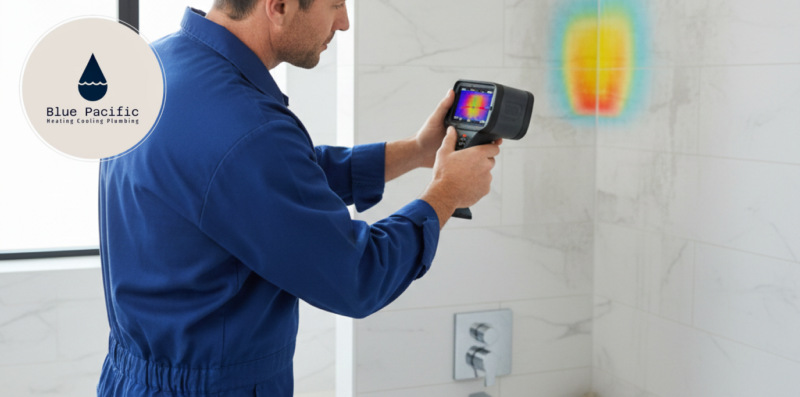
Plumbing professionals diagnose leaks by using non-invasive technology like acoustic sensors, thermal imaging cameras, and tracer gas to locate moisture or pressure changes without damaging property. Once identified, these leaks are repaired using methods such as epoxy pipe lining, pipe bursting, or traditional spot repairs, depending on the location and severity of the damage. This systematic approach allows for high precision and minimizes the need for extensive excavation or wall removal.
This guide provides a detailed look at the specialized tools and modern repair strategies that ensure residential and commercial water systems remain functional. Decades of field experience in managing complex pipe networks inform the technical insights shared here. Understanding these processes helps property owners recognize the value of professional intervention over trial-and-error methods.
Specialized Tools for Pinpoint Accuracy
Manual inspection is rarely enough to find a leak hidden behind concrete or deep underground. Professionals rely on high-tech equipment to see and hear what the human eye cannot.
Acoustic Leak Detection
Electronic listening devices are the standard for finding pressurized pipe leaks. When water escapes a pipe under pressure, it creates a specific vibration and sound. Professionals use ground microphones and sensors to pick up these frequencies. By moving the sensors along the pipe path, the technician finds the spot where the noise is loudest, indicating the exact point of the break.
Thermal Imaging Cameras
Infrared technology allows technicians to see temperature differences on surfaces like walls or floors. Since leaking water usually changes the temperature of the surrounding material, a thermal camera shows a cold or hot spot where moisture is collecting. This method is particularly effective for hot water line leaks or identifying damp insulation that has not yet stained the drywall.
Video Pipe Inspections
For sewer and drain lines, a waterproof camera on a flexible cable is the most effective tool. The camera sends a live feed to a monitor, allowing the technician to see cracks, root intrusions, or offset joints. According to data from Grand View Research, the global leak detection market is growing rapidly as more services adopt these advanced imaging technologies to reduce property damage.
Modern Repair Techniques for Maximum Efficiency
Once the leak is found, the focus shifts to fixing it with the least amount of disruption possible. Modern plumbing has moved away from the “dig everything up” philosophy toward more surgical repairs.
Trenchless Pipe Repair
Trenchless technology allows for pipe restoration without digging long trenches. One common method is Cured-in-Place Pipe (CIPP) lining. A resin-saturated tube is pulled through the damaged pipe and inflated. Once the resin hardens, it creates a new, seamless pipe inside the old one. This method is fast and can last for decades.
Pipe Bursting
When a pipe is too damaged for lining, pipe bursting is a viable alternative. This involves pulling a new HDPE pipe through the old one using a heavy-duty pulling head. The head breaks the old pipe apart while simultaneously laying the new one in its place. This is highly efficient for main water lines or sewer pipes.
Traditional Spot Repairs
In cases where the leak is easily accessible or limited to a single fitting, a traditional spot repair is often the most cost-effective choice. The plumber removes the damaged section and replaces it with new material, such as PEX or copper, using high-quality couplings to ensure a permanent seal.
Comparison of Common Diagnostic Methods
The choice of tool often depends on the specific environment and the type of pipe being tested.
| Method | Best Use Case | Primary Advantage | Limitation |
|---|---|---|---|
| Acoustic Sensors | Pressurized water lines | Extremely high precision | Background noise can interfere |
| Thermal Imaging | Hidden leaks in walls/floors | Completely non-invasive | Cannot see through heavy insulation |
| Video Cameras | Sewer and drain lines | Visual confirmation of damage | Only works for large diameter pipes |
| Tracer Gas | Hard-to-find pinhole leaks | Finds tiny leaks in large areas | Requires clearing the line first |
Market Data on Water Loss and Impact
The urgency of efficient leak repair is supported by significant environmental and financial data. A report from the Environmental Protection Agency indicates that the average household’s leaks can account for nearly 10,000 gallons of water wasted every year. This volume of waste emphasizes why rapid, accurate diagnosis is a priority for the industry.
Beyond residential waste, the Water Research Foundation notes that a large portion of treated water is lost to distribution leaks before it even reaches the consumer. Efficient diagnostic services help mitigate these losses by identifying systemic weaknesses before they become catastrophic failures.
Bonus Tip: The Meter Test
A simple way to confirm a leak exists before calling a professional is the meter test. Turn off all water inside and outside the home. Check the water meter and wait 15 minutes. If the dial has moved, a leak is present somewhere in the system.
Factors to Consider Before Choosing a Repair Method
Before deciding on a specific fix, property owners should evaluate several variables that influence the success and cost of the job.
- Pipe Material: Older homes may have galvanized steel or clay pipes. These materials react differently to repair methods than modern PVC or PEX.
- Leak Location: A leak under a concrete slab (slab leak) requires different tools than a leak inside a second-story wall.
- Age of the System: If the entire system is near the end of its lifespan, patching a single leak may be less efficient than a partial repipe.
- Future Use: Consider if the repair needs to accommodate future home renovations or increased water demand.
Practical Insights for Property Maintenance
Regular maintenance can often prevent the need for emergency leak detection. Monitoring water pressure is a proactive step. High water pressure can stress joints and valves, leading to premature failure. Installing a pressure regulator can extend the life of the entire plumbing system.
Bonus Tip: Check the Water Heater
Corrosion at the base of a water heater or dampness in the overflow pan is an early warning sign. These leaks often start small but can lead to a tank burst if ignored.
Addressing Common Questions
Homeowners often wonder about the cost and time involved in these processes. Most electronic leak detections can be completed within two to four hours. The repair time varies, but trenchless methods often save days of labor compared to traditional excavation. Another common concern is whether insurance covers leak detection. This usually depends on the cause of the leak and the specific policy terms, though many policies cover the “tear out” and “put back” costs associated with a repair.
Solutions for Complex Leak Scenarios
Underground Slab Leaks
When a leak occurs beneath a home’s foundation, the stakes are higher. Plumbers use a combination of acoustic testing and line tracing to find the exact spot. This prevents the need to jackhammer large sections of the floor. Often, a “reroute” is the best fix, where a new line is run through the walls or attic to bypass the broken pipe under the slab entirely.
Multi-Story Building Leaks
In apartment complexes or office buildings, tracking a leak is difficult because water travels along beams and pipes far from the source. Technicians use moisture meters to map the spread of water and identify the highest point of saturation, which usually points toward the source.
Direct Answers to Frequent Concerns
How long does a typical leak detection take?
Most residential leak detection appointments take between two and three hours. This includes the time needed to set up equipment, test various zones of the plumbing system, and confirm the exact location of the issue. Complex commercial systems or large properties may require additional time.
Will the plumber have to break through my walls?
The goal of modern leak detection is to avoid unnecessary damage. Tools like thermal cameras and acoustic sensors allow technicians to find the leak from the surface. While a small hole may be necessary to access the pipe for repair, the “search and destroy” method of cutting into walls randomly is no longer a standard practice.
Is a pinhole leak a serious issue?
Yes, a pinhole leak can release thousands of gallons of water over time. Because they are small, they often go unnoticed until mold grows or structural rot occurs. Pinhole leaks in copper pipes are often a sign of internal corrosion or high acidity in the water.
What causes pipes to start leaking suddenly?
Common causes include high water pressure, temperature fluctuations that cause pipes to expand and contract, and chemical reactions between the water and the pipe material. In older systems, simple wear and tear or soil shifting around underground pipes are the primary culprits.
Summary of Key Takeaways
Professional plumbing services provide efficiency through a two-step process of high-tech diagnosis and targeted repair. Tools like acoustic sensors and thermal cameras eliminate guesswork, while trenchless technologies allow for repairs that preserve landscaping and interior finishes. Property owners should prioritize quick action when a leak is suspected to prevent high water bills and structural damage. Evaluate the age of the plumbing system and the location of the leak when choosing between a patch and a more comprehensive replacement.
Connect with Local Expertise
Maintaining a functional plumbing system is essential for any property. For professional assistance with leak detection or pipe repairs, Blue Pacific Cape Cod provides expert services tailored to specific needs. To discuss a project or schedule an inspection, contact Blue Pacific Cape Cod at (508) 274-9939 or email BluePacificCapeCod@gmail.com for clear, direct information about system maintenance and repair options.
Sources
- Environmental Protection Agency – Information regarding residential water waste and leak statistics.
- Grand View Research – Market analysis of the global leak detection industry and technology trends.
- Water Research Foundation – Research on water distribution systems and infrastructure efficiency.
- HomeAdvisor – Cost and procedural data for common plumbing repairs and diagnostic services.