
Cleaning a bathroom sink drain effectively requires a combination of mechanical removal and biological or chemical treatment. The most direct method involves removing the pop-up stopper to extract hair and soap scum, followed by a natural flushing treatment to dissolve residual buildup. This approach clears loosened debris and prepares the pipe for deeper cleaning if necessary. For significant blockages, removing the P-trap located under the sink allows for a comprehensive manual cleaning of the pipe’s interior.
This guide provides a detailed look at maintaining free-flowing pipes through professional techniques and preventive habits. Maintaining a clean drain prevents the buildup of bacteria and biofilm that cause unpleasant odors and slow drainage. Blue Pacific Cape Cod applies these methods to ensure plumbing systems function efficiently and remain free of structural damage caused by corrosive buildup.
Mechanical Cleaning Steps for Immediate Relief
Most bathroom sink clogs occur near the top of the drain, often caught on the stopper mechanism. Before using any liquids, address the physical obstruction.
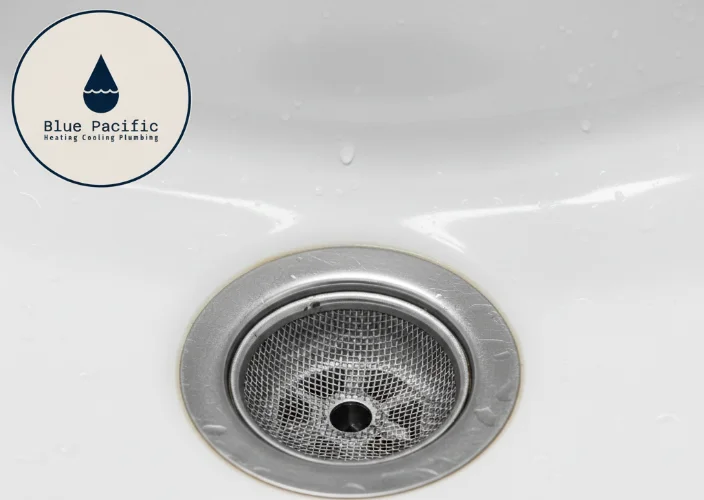
Start by lifting the pop-up stopper. Many stoppers pull straight out, while others require unscrewing a retaining nut on the back of the drain pipe under the sink. Once the stopper is out, use a small brush or a zip-it tool to pull out hair and sludge. A report from Consumer Reports indicates that mechanical tools are often more effective and safer for pipes than caustic liquid cleaners.
Bonus Tip: Use a pair of needle-nose pliers to reach hair that is tangled around the stopper’s pivot rod. This area is a frequent collection point for debris that baking soda cannot dissolve.
If the clog persists, the blockage likely resides in the P-trap. This U-shaped pipe holds water to block sewer gases from entering the home.
- Place a bucket under the P-trap to catch standing water.
- Loosen the slip nuts at both ends of the U-bend by hand or with a pipe wrench.
- Remove the pipe and push a flexible brush through it to clear any obstructions.
- Inspect the washers for wear before reassembling.
Natural and Biological Treatment Methods
Once physical debris is gone, address the biofilm and soap scum coating the pipe walls. While many turn to harsh acids, natural alternatives offer effective results without risking the integrity of the plumbing.
The reaction between baking soda (sodium bicarbonate) and vinegar (acetic acid) creates carbon dioxide gas. This bubbling action helps dislodge sticky residue. For the best results, pour half a cup of baking soda down the drain first, followed by half a cup of vinegar. Cover the drain with a plug to force the pressure downward. After fifteen minutes, flush with extremely hot water to clear the residue.
For recurring sluggishness, enzymatic cleaners are a superior long-term solution. These products contain bacteria or enzymes that eat away at organic matter like hair and skin cells. According to the U.S. Environmental Protection Agency, avoiding harsh chemicals helps maintain the balance of home septic systems and protects local groundwater. By adopting these eco-friendly habits, homeowners can avoid the high costs associated with professional plumbing repairs.
| Method | Best Use Case | Expected Result | Safety Rating |
|---|---|---|---|
| Zip-it Tool | Hair clogs near the surface | Immediate removal of solids | High |
| Baking Soda & Vinegar | Odor removal and light buildup | Cleans pipe walls | High |
| Manual P-Trap Removal | Deep or stubborn clogs | Complete clearance of the trap | Medium (Risk of leaks) |
| Enzymatic Cleaners | Preventive maintenance | Prevents future organic buildup | High |
Market Data and Plumbing Maintenance Costs
Ignoring a slow drain often leads to more expensive repairs. Data published by HomeAdvisor shows that the average cost to professionally clear a drain ranges significantly depending on the severity and location of the clog. Regular DIY cleaning reduces the likelihood of needing emergency services, which carry much higher price points.
Mechanical failures often stem from mineral deposits in hard water areas. These deposits create a rough surface inside the pipes, making it easier for hair and soap to snag. Using a water softener or performing monthly vinegar flushes can extend the life of the plumbing hardware.
Bonus Tip: Avoid pouring thick grooming products like clay masks or heavy beard waxes directly down the drain. These substances harden in the P-trap and act like glue for hair.
Things to Consider Before Cleaning
Before starting the cleaning process, evaluate the materials and the age of the plumbing system. Blue Pacific Cape Cod suggests checking for the following factors to avoid accidental damage:
- Pipe Material: Older homes may have galvanized steel or lead pipes. These materials are highly susceptible to corrosion from chemical cleaners. Stick to mechanical cleaning for these systems.
- Stopper Type: Some modern sinks have integrated pop-up stoppers that are difficult to remove without specific tools. Check the manufacturer guide to avoid breaking the lift rod.
- Severity of the Clog: If multiple drains in the home are slow, the issue is likely in the main sewer line rather than a single sink drain. This requires professional equipment.
- Chemical History: If a caustic drain opener was recently used and failed, do not attempt to remove the P-trap without heavy-duty rubber gloves and eye protection. The standing water will be highly acidic and can cause skin burns.
Common Questions Regarding Sink Maintenance
Homeowners often ask if boiling water is safe for all pipes. If the home uses PVC (plastic) piping, boiling water can potentially soften the joints or warp the plastic. In these cases, use hot tap water instead.
Another frequent question involves the use of bleach. While bleach kills bacteria and removes odors, it does not dissolve hair clogs. Furthermore, mixing bleach with other cleaning agents can create toxic gas. It is generally better to use oxygen-based cleaners or simple dish soap to cut through grease.
Bonus Tip: To prevent future clogs, install a mesh drain strainer. This inexpensive tool catches hair before it ever enters the plumbing system, significantly reducing the need for deep cleaning.
How often should I clean the drain?
Perform a quick flush with hot water and vinegar once a month. This prevents biofilm from hardening and keeps odors at bay. Physical inspection of the stopper should occur every three to six months.
Why does my drain smell even after cleaning?
The odor may come from the overflow hole in the sink. This internal chamber can grow mold. Use a small funnel to pour a mixture of water and vinegar into the overflow hole to sanitize the hidden area.
Can I use a wire hanger to clear a clog?
A wire hanger can work in an emergency, but the sharp end can scratch the porcelain of the sink or damage thin-walled metal pipes. A plastic zip-it tool is a safer and more flexible alternative.
Is it safe to use a plunger on a bathroom sink?
Yes, but you must seal the overflow hole with a damp rag first. Without sealing the overflow, the pressure from the plunger will simply escape through that hole rather than pushing against the clog.
Summary of Best Practices
Effective drain maintenance relies on early intervention and the right tools. Removing the stopper to clear hair is the most productive first step for any bathroom sink issue. For residual buildup, utilize the foaming action of baking soda and vinegar. Always prioritize mechanical removal and natural biological cleaners over harsh acids to protect the plumbing and the environment. Evaluate the pipe material and the extent of the blockage before deciding between a DIY fix or professional assistance.
Professional Maintenance Support
Maintaining a home requires attention to detail and a proactive approach to plumbing health. Blue Pacific Cape Cod provides expert guidance for homeowners looking to preserve their property’s value and functionality. For personalized assistance or to discuss specific maintenance needs, contact the team at (508) 274-9939 or via email at BluePacificCapeCod@gmail.com. Experienced professionals can help identify underlying issues before they become costly emergencies.
Sources
- Consumer Reports – A guide on cleaning drains without the use of toxic or caustic chemicals.
- U.S. Environmental Protection Agency – Information regarding the impact of household cleaners on septic systems and groundwater.
- HomeAdvisor – Market data regarding the average costs of professional drain cleaning and plumbing repairs.