
Fix low water pressure by first checking the main shut-off valve to ensure it is fully open and inspecting the water pressure regulator for signs of failure. If the low flow only affects one fixture, the problem usually involves mineral buildup in the aerator or showerhead that requires simple cleaning. For whole-house issues, verify the street-side valve at the water meter is completely turned on and look for signs of significant pipe leaks.
Identifying the specific cause of a pressure drop ensures the right fix is applied without unnecessary expense. Most residential water systems operate between 40 and 60 pounds per square inch (psi). When levels fall below this range, daily tasks like showering or running a dishwasher become difficult. This guide provides a clear path to diagnosing these issues and restoring full flow to every tap.
Inspect the Main Water Shut-Off Valve
The first step in troubleshooting requires locating the main water shut-off valve. This valve controls the flow of water into the entire building. If the valve is even slightly closed, it restricts the volume of water available to fixtures. This often happens after a repair when a technician or homeowner fails to reopen the valve completely.
Most homes use either a gate valve, which has a round handle like a garden hose, or a ball valve, which has a lever handle. For a gate valve, turn the handle counter-clockwise as far as it goes. For a ball valve, the handle must be perfectly parallel to the pipe. A handle at an angle indicates a partial closure. Verify both the internal shut-off valve and the valve located at the water meter are fully operational. Sometimes the city shuts off water partially during maintenance, so checking with the local utility department provides clarity if the valves appear correct.
Test the Water Pressure Regulator
Many homes feature a bell-shaped device called a pressure-reducing valve (PRV) located on the main supply line. This part acts as a safety mechanism to prevent high-pressure spikes from damaging pipes. When this part fails, it often defaults to a closed or restricted position, causing a sudden or gradual drop in house-wide pressure.
According to technical guides from the International Association of Certified Home Inspectors, a failed regulator can lead to either dangerously high pressure or a complete loss of flow. To test this, attach a pressure gauge to an outside hose bib and turn on the water. If the gauge reads significantly below 40 psi, the regulator might need adjustment or replacement. Most regulators have a screw on top; turning it clockwise increases the pressure. Adjust this in small increments while watching the gauge.
Bonus Tip: If turning the adjustment screw does not change the reading on the pressure gauge, the internal spring or diaphragm has likely failed. Replacement is usually the only solution at that point.
Clean Clogged Aerators and Showerheads
If low pressure only occurs at one sink or in one bathroom, the pipes are likely fine. The problem is almost certainly a clogged fixture. Mineral deposits, specifically calcium and magnesium, collect in the small screens at the end of faucets. These screens, known as aerators, catch debris but eventually choke the flow.
Unscrew the aerator by hand or with a pair of pliers. Be sure to wrap the pliers in a cloth to avoid scratching the finish. Once removed, soak the aerator in white vinegar for several hours to dissolve the scale. Use a small brush to clear any remaining grit before reassembling. The same process applies to showerheads. Many modern showerheads also contain a flow restrictor. If the restrictor becomes blocked with sediment, removing it and cleaning the mesh screen restores the spray strength.
Check for Hidden Plumbing Leaks
A significant leak anywhere in the system diverts water away from your faucets, leading to a noticeable drop in pressure. Even small leaks add up over time. Data from the Environmental Protection Agency indicates that ten percent of homes have leaks that waste 90 gallons or more per day.
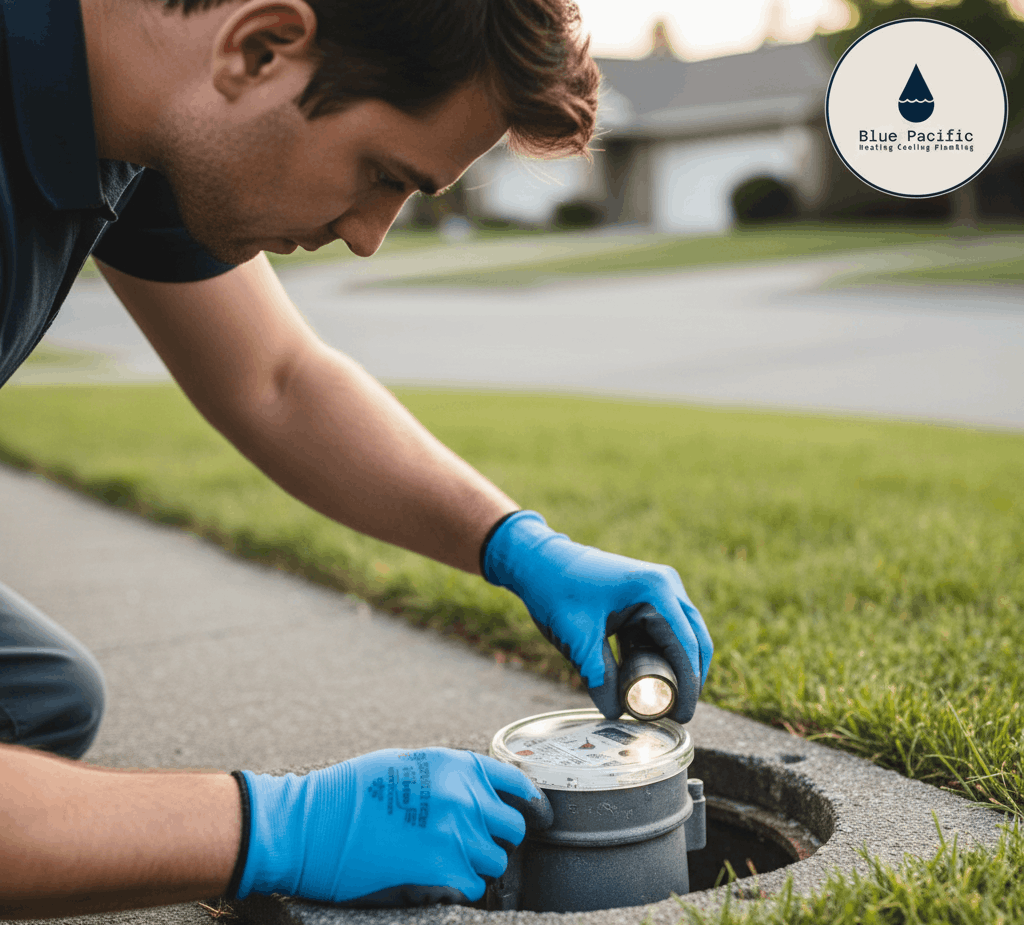
To check for leaks, turn off all water inside and outside the house. Locate the water meter and watch the flow indicator, which is often a small red or silver triangle or a digital display. If that dial moves while all faucets are off, water is escaping somewhere in the system. Check the basement, crawlspace, and water heater area for damp spots or pooling water. A leaking toilet flapper is another common culprit that can subtly affect system performance.
Evaluate Pipe Condition and Age
Older homes often have galvanized steel pipes. Over the decades, these pipes rust from the inside out. This corrosion creates a rough surface that catches minerals and eventually closes off the pipe almost entirely. This is a permanent restriction that cleaning cannot fix.
If the home still has original galvanized plumbing, the low pressure is likely a symptom of the pipes reaching the end of their functional life. If the water has a brown or orange tint when first turned on, this confirms internal rusting. Replacing these sections with copper or PEX tubing is the standard method for restoring flow. Blue Pacific Cape Cod suggests checking the visible pipes in the basement to see if they are silver-grey steel or copper.
Common Pressure Issues Comparison
| Problem | Scope of Impact | Typical Fix |
|---|---|---|
| Closed Main Valve | Whole House | Fully open the valve handle |
| Clogged Aerator | Single Faucet | Soak in vinegar or replace |
| Failing PRV | Whole House | Adjust screw or replace unit |
| Pipe Corrosion | Whole House | Replace galvanized sections |
| Leaking Toilet | Minor/Localized | Replace flapper or fill valve |
Consider Municipal Water Supply Issues
Sometimes the problem exists outside the property lines. If a neighbor also experiences low pressure, the issue probably lies with the city water main. This can happen due to a water main break, heavy fire hydrant use in the area, or routine maintenance.
According to the American Water Works Association, aging infrastructure in the United States leads to frequent main breaks that disrupt service pressure for entire neighborhoods. Contact the local water utility to ask about any active work or reported issues in the area. If the city recently performed repairs, air or sediment might have entered the lines. Running the bathtub cold water for a few minutes often clears this debris.
Bonus Tip: If the house is at the end of a supply line or at a higher elevation than the surrounding neighborhood, the municipal pressure might naturally be lower. In these cases, installing a constant-pressure pump system provides the necessary boost.
Things to Consider Before Making a Decision
Before purchasing parts or starting a repair, evaluate the specific symptoms. If the pressure drops only when two appliances run at once, the issue is likely a volume restriction caused by undersized or clogged pipes. If the pressure remains low even when only one faucet is open, the problem is more likely the regulator or the main supply.
Verify if the issue involves both hot and cold water. If only the hot water has low pressure, the restriction is located at the water heater. Check the shut-off valve on the heater’s inlet pipe and look for sediment buildup inside the tank. Flushing the water heater once a year prevents this buildup from reaching the rest of the house.
Common Questions
Does a water softener cause low pressure?
A water softener can restrict flow if the resin bed becomes clogged or if the unit is undersized for the house. Most softeners have a bypass valve. Turn this valve to bypass the softener and check the pressure at a faucet. If the pressure improves, the softener requires service.
Can a dirty water filter lower pressure?
Whole-house water filters are a frequent cause of pressure loss. These filters trap sediment and eventually become thick with debris. If the filter is not changed according to the manufacturer’s schedule, it acts like a wall in the pipe.
Why is my shower pressure low, but the sink is fine?
This usually indicates a problem with the shower mixing valve or the showerhead itself. Modern shower valves have a cartridge that balances hot and cold water. If this cartridge fails or clogs with grit, it limits the amount of water reaching the showerhead.
Helpful FAQ
How do I know if my pressure regulator is bad?
A bad regulator often causes vibrating noises in the pipes or a sudden change in water flow. If the pressure is fine for a second when you turn on the tap but immediately drops to a trickle, the regulator is likely failing to stay open.
What is the ideal water pressure for a home?
The standard range is 40 to 60 psi. Anything below 30 psi is considered low, while anything above 80 psi can damage appliances, cause “water hammer,” and lead to premature pipe failure.
Can I fix low pressure myself?
Many fixes are simple for homeowners, such as cleaning aerators or checking valves. However, replacing a main regulator or cutting into galvanized pipes requires specific tools and knowledge of local plumbing codes.
Why did my water pressure drop suddenly?
Sudden drops are usually caused by a major leak, a water main break, or a valve that was accidentally bumped and partially closed. Check the water meter first to see if it is spinning rapidly, which indicates a major leak.
Summary of Steps to Restore Flow
Restoring water pressure requires a logical search starting from the source and moving toward the fixtures. Begin by checking the shut-off valves and the pressure-reducing valve. Clean the easy parts like aerators and showerheads before moving on to more complex tasks. Always check for leaks using the water meter, as this identifies hidden problems that waste money and damage the home’s structure. If the issue remains after checking these points, evaluate the age of the piping or consult the municipal water department. Following these systematic steps ensures the water system operates efficiently and provides consistent flow to every room.
Contact Professional Assistance
When basic troubleshooting does not resolve the issue, a professional evaluation becomes necessary. Blue Pacific Cape Cod provides expert plumbing assessments and repairs for residential systems. For assistance with identifying the cause of flow restrictions or to schedule a service visit, contact the office at (508) 274-9939 or send an email to BluePacificCapeCod@gmail.com. Expertise in modern and legacy plumbing systems ensures that water pressure issues are handled correctly and permanently.
Sources
- International Association of Certified Home Inspectors – Technical guide on residential water pressure standards and regulator function.
- Environmental Protection Agency – Statistical data regarding residential water leaks and waste.
- American Water Works Association – Information on municipal water infrastructure and common supply issues.
- Forbes Home – Guide to identifying and operating different types of main water shut-off valves.